
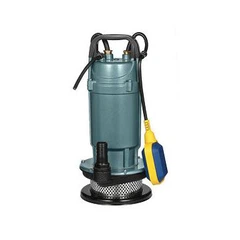
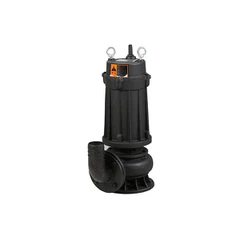
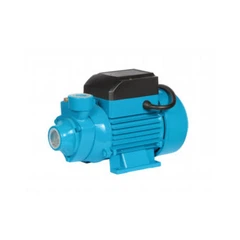
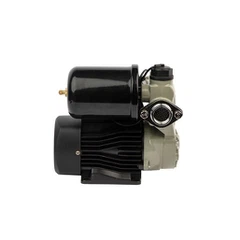
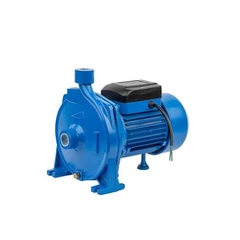

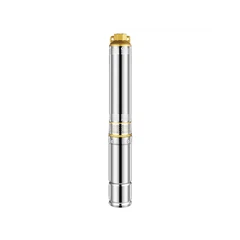


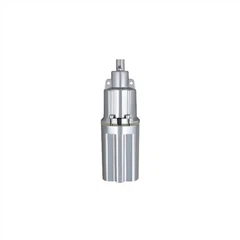

Booster Pump
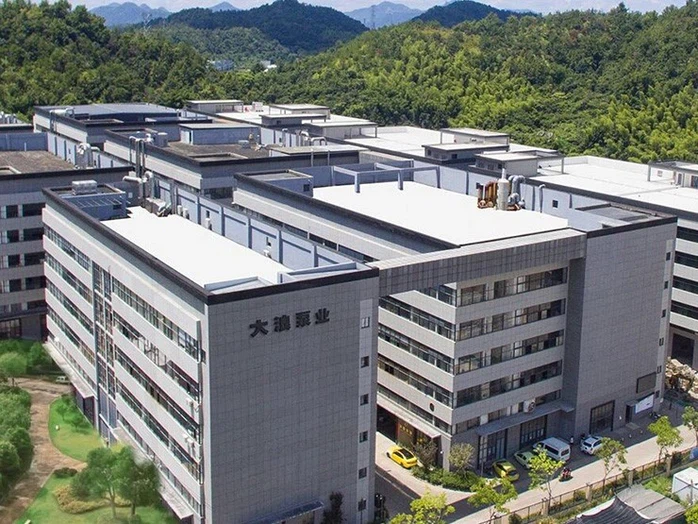
Zhejiang Binter Electric Machinery Co., Ltd is one of the major professional manufacturers of water pumps. With more than 20 years of experience in this field, specializing in submersible pumps,self-priming pumps, JET pumps, QB pumps, centrifugal pumps, CIRCULATOR PUMPS ETC, Located in the "Chinese Pump Town"-Daxi Town, Wenling City, Zhejiang.
01
After-Sale Warranty
We offer a warranty of 12 months, We will always include 2% of the order quantity of free spare parts which can be easily damaged in each shipment, for your usual easy maintenance.
02
International Certification
Our products meet the highest quality requirements as stipulated in ISO9001, ISO14000:14001 SGS guidelines, CE and our stringent quality control system.
03
Global Shipping
We have customers from both the domestic market and overseas market. Our main sales market: North America 80%, Middle East 10%, Asia 10%.
04
24H Online Service
Our customer service representatives are available 24/7 to assist you with any inquiries, or after-sales services.
What is Booster Pump?
A booster pump acts like an intermediary between the water source and endpoints like taps, faucets, and showers. A booster pump takes in water from the source and pressurizes it to get the desired pressure at the endpoints. Generally, booster pumps are not the only devices used to move water within a system. They work in conjunction with a source pump to increase the fluid pressure.


Benefits of Water Booster Pumps for Your Home
1. Improved Water Pressure
The most apparent benefit of a water booster pump is the improved water pressure. Low water pressure can be caused by several factors, including the elevation of your property, the distance from the water source, or the size of the pipes in your home. A water booster pump works by increasing the flow of water, thereby improving the overall water pressure. This means you can enjoy strong showers, faster filling of your bathtub, and more efficient use of your appliances that require water.
2. Consistent Water Pressure
Another advantage of using a water booster pump is that it provides consistent water pressure. Without a booster pump, you may experience fluctuations in water pressure throughout the day, especially during peak usage times. With a booster pump, you can ensure that the water pressure remains constant, regardless of how many people or appliances are using water at the same time.
3. Increased Property Value
Installing a water booster pump can also increase the value of your property. Many potential homebuyers view adequate water pressure as a crucial factor when purchasing a home. Therefore, having a water booster pump can make your property more attractive to buyers, potentially increasing its market value.
4. Energy Efficiency
Modern water booster pumps are designed with energy efficiency in mind. They only operate when there’s a demand for water, which helps to conserve energy. Some models even come with variable speed drives that adjust the pump’s speed based on water demand, further enhancing their energy efficiency.
5. Easy Installation and Maintenance
Water booster pumps are relatively easy to install and maintain. Most models are compact and can be installed in a small space. They also require minimal maintenance, usually just an annual check-up to ensure they’re working correctly.
6. Increased Lifespan of Appliances
By ensuring a consistent and adequate water supply, water booster pumps can help increase the lifespan of your appliances. Appliances like washing machines and dishwashers function more efficiently with proper water pressure, reducing wear and tear.
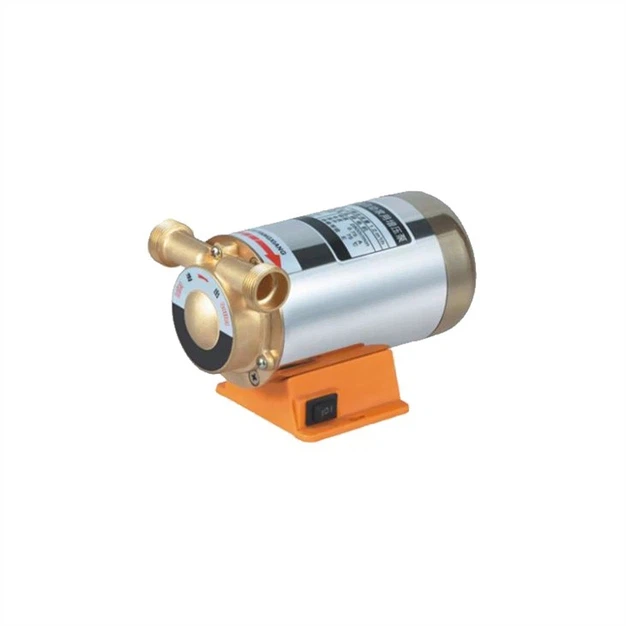
Booster pumps increase water pressure as a way to increase flow. A booster pump works like a fan with blades that rotate to increase air flow, and a booster pump has an impeller inside that increases water flow and pressure in the same way.
Most of them are centrifugal pumps that take water from a water source and move it through an impeller (single stage) or multiple impellers (multi-stage) to increase the water pressure. The high pressure water then flows through the outlet.
Types of Booster Pumps
Plunger booster pump
The plunger booster pump is a commonly used liquid booster device, widely used in machine tools, molds, casting machinery and other fields. Its structure includes pump body, liquid inlet and outlet, piston, plunger, valve plate and other parts. During operation, the plunger moves upward, so that the liquid at the liquid inlet is sucked into the pump body; then, the plunger moves downward, pushing the piston to move, gradually compressing the liquid, and finally flowing out from the liquid outlet. The plunger booster pump has the characteristics of stable pressure and large output flow.
Gear pump
The gear pump is a device that uses gear rotation to achieve liquid boosting. Its structure consists of a pump body, gears, bearings, etc. There are two gear tooth grooves in the pump body, one of which is called a driving gear and the other is a passive gear. When working, the driving gear drives the passive gear to rotate through the support of the bearing, and pushes the liquid along with it to achieve liquid boosting. The gear pump has the advantages of stable output flow and simple structure.
Screw pump
The screw pump is a new type of liquid boosting device, which mainly adopts the double dragon screw structure to realize the liquid delivery and boosting. Its structure consists of pump body, screw, bearing, seal, etc. When working, the liquid is pushed into the pump body by the screw, and the two screws discharge the liquid from one port through the coordinated movement of gears, thereby realizing the liquid delivery and boosting. Screw pumps have the advantages of high output pressure and good stability, and are widely used in chemical, petroleum and other fields.
Radial piston pump
The radial piston pump is a device that realizes liquid delivery and boosting based on axial movement. Its structure consists of pump body, liquid inlet and outlet, plunger, pin and dynamic and static pressure plate. When working, the liquid moves in radial and axial directions under the action of plunger and pressure plate, thereby realizing liquid delivery and boosting. Radial piston pump is suitable for high pressure and high flow occasions, such as water pumps, fire trucks and other fields.
Centrifugal pump
The centrifugal pump is a device that uses centrifugal force to achieve liquid delivery and boosting. Its structure consists of pump body, impeller, liquid inlet and outlet, bearings and other parts. When working, under the action of centrifugal force, the liquid is sucked into the impeller, and then forced to the liquid outlet, finally achieving the function of liquid transportation and pressurization. Centrifugal pumps are suitable for small and medium flow and low pressure occasions, such as civil water pumps, swimming pool filters and other fields.
Applications of Domestic Water Booster Pumps
The applications of domestic water pump systems vary depending on the specific needs of the location. Below are some common uses of water pressure booster pumps:
Residential Uses
Homeowners like to have consistent pressure when showering, watering plants, or washing dishes. Insufficient water pressure can easily ruin their experience. Changing water usage patterns over time often contributes to decreased pressure.
You can use a well pump, but it may not have enough power to transport water to the dwelling. An appropriately sized booster pump can reach the water table. It can provide an improved shower experience and ensure adequate faucet pressure while making washing dishes and hands more efficient.
Commercial Uses
Let’s say you are a building manager for a six-story apartment building. The first three floors get enough pressure, but others struggle. A lack of sufficient water pressure is not just a minor inconvenience but a prohibitive loss in terms of money, time, and efficiency.
Domestic water pump systems could be the right choice for you and your application. A pressure booster pump can add to electrical costs, so consider cost, space, and installation. Also, do not forget to factor in the cost of replacement parts and accessories like pipe fittings, nuts, valves, pressure gauges, etc.
Hotels and resorts are great applications of booster pumps. They use pumps to maintain high-quality showers and provide consistent water pressure to guest rooms and amenities. Office buildings rely on booster pumps to maintain water pressure on multiple floors, ensuring restrooms and kitchens operate smoothly.
Industrial Uses
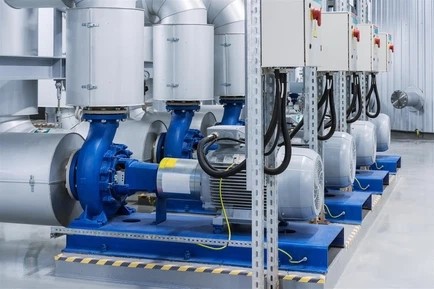
Manufacturing industries often use water pressure booster pumps to supply high-pressure water for various manufacturing processes, such as cutting, cooling, and cleaning. Other examples include water treatment plants, where booster pumps are crucial in maintaining water pressure throughout the water treatment and distribution process.
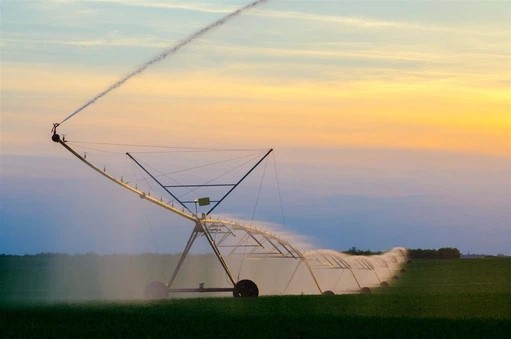
Agricultural uses of booster pumps include irrigation, water distribution, and water wells. Remember that proper installation, maintenance, and monitoring are essential to prolong the pump’s life and ensure it performs as intended.

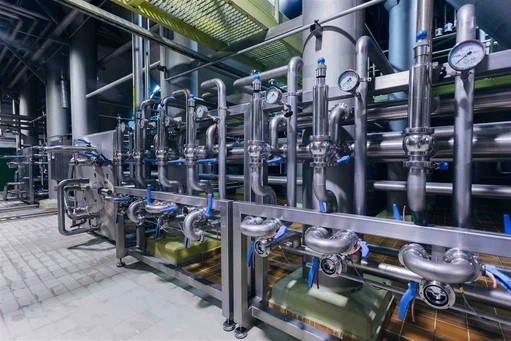
Booster Pump Care and Maintenance
The care and maintenance of the booster pump is essential to ensure its long-term and efficient operation. Here are some key care and maintenance steps and solutions to common problems:
1. Regular inspection:
Check whether the pipe connection is tight and there is no leakage.
Check the running status of the motor to ensure that there is no abnormal sound or overheating.
Check the status of the bearings and seals. If they are worn or damaged, they should be replaced in time.
2. Cleaning and lubrication:
Clean the booster pump and pipes regularly to prevent scale and impurities from accumulating.
Lubricate the bearings and sliding parts to reduce friction and wear.
3. Dealing with common problems:
Water leakage: Check whether the seals are intact and replace them if necessary.
Blockage problem: Clean the filters at the water inlet and outlet to ensure smooth water flow.
FAQ
Q: What is a booster pump used for?
Q: What is the difference between a water pump and a booster pump?
Q: What is the difference between a booster pump and a recirculation pump?
Q: How do I know if I need a booster pump?
Q: Does a booster pump help with water pressure?
Q: Does a booster pump run continuously?
Q: How long do booster pumps last?
Q: Can I use booster pump as water pump?
Q: Do you need a tank with a booster pump?
Q: What is the most common type of booster pump?
Welcome to buy or wholesale quality and durable booster pump at the most competitive price from our factory. Our company, BINTER ELECTRIC, is one of the leading booster pump manufacturers and suppliers in China. We can offer you the quotation consultation.
, Pressure Pump , Pressure Booster Pump