

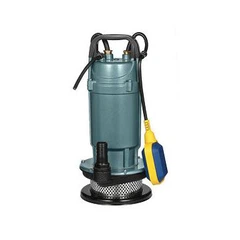
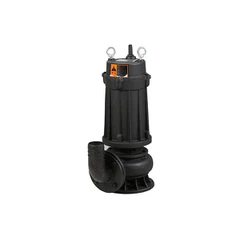
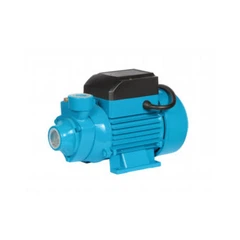
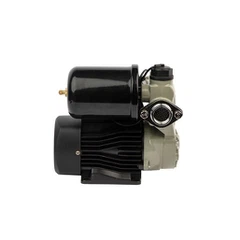
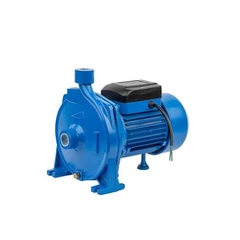

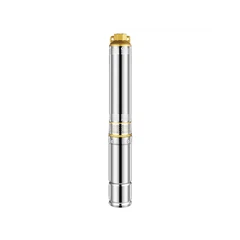


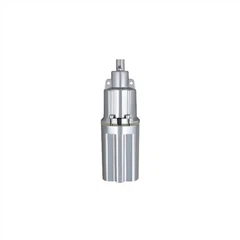

Peripheral Pump

Your Leading Peripheral Pump Supplier
Zhejiang Binter Electric Machinery Co., Ltd is one of the major professional manufacturers of water pumps. With more than 20 years of experience in this field, specializing in submersible pumps,self-priming pumps, JET pumps, QB pumps, centrifugal pumps, CIRCULATOR PUMPS ETC, Located in the "Chinese Pump Town"-Daxi Town, Wenling City, Zhejiang.
After-Sale Warranty
We offer a warranty of 12 months, We will always include 2% of the order quantity of free spare parts which can be easily damaged in each shipment, for your usual easy maintenance.
International Certification
Our products meet the highest quality requirements as stipulated in ISO9001, ISO14000:14001 SGS guidelines, CE and our stringent quality control system.
Global Shipping
We have customers from both the domestic market and overseas market. Our main sales market: North America 80%, Middle East 10%, Asia 10%.
24H Online Service
Our customer service representatives are available 24/7 to assist you with any inquiries, or after-sales services.

A peripheral pump is a close-coupled centrifugal pump with an impeller consisting of a large number of radial vanes on the outside edge. The impeller rotates in a concentric casing channel with the liquid flowing between the vanes and casing transmitting large amounts of energy leading to a large increase in pressure within the pump. The inlet and outlet of the casing are separated by a strip of metal ensuring all fluid entering the inlet is discharged via the outlet. They are typically designed for clean fluids due to the narrow clearances between the impeller vanes and pump casing meaning any solids would stop the impeller.


Advantages of Peripheral Pumps
Cost-effective
Peripheral pumps are generally less expensive than other types of pumps, making them a cost-effective option for many applications.
Easy maintenance
Peripheral pumps are simple in design and easy to maintain, reducing the need for frequent repairs and servicing.
Quiet operation
Peripheral pumps operate quietly, making them suitable for use in residential and commercial settings where noise levels need to be kept to a minimum.
High efficiency
Peripheral pumps are known for their high efficiency, providing reliable and consistent performance.
Versatile
Peripheral pumps can be used for a wide range of applications, including water supply, irrigation, heating and cooling systems, and more.
Self-priming
Many peripheral pumps are self-priming, meaning they can automatically evacuate air from the system and start pumping water without the need for manual priming.
In essence, peripheral pumps are niche products that sit between displacement pumps and centrifugal pumps. In many applications in the industry, the medium is pumped in a peripheral channel, which is why we call it that. This pump works as a volume displacer by sucking the liquid through the suction flange. The liquid is then directed into an annular channel. A peripheral impeller rotates within this channel, centrifugally transforming the liquid. Peripheral impellers are special impellers that have a large number of small radial vanes arranged around their perimeter. The blades in the impeller impart great kinetic energy onto the liquid as it exits the pump via the discharge flange after passing through the annular channel.

Components of Peripheral Pumps
Motor
The motor is the source of power for a peripheral pump. This motor is powered by electricity in which it operates by converting the electrical energy into mechanical power. The electrical energy is supplied by the mains electricity line. The mechanical power is provided in terms of torque and speed depicted on the motor shaft.
Impeller
This is the part of the pump that rotates at high speed to create a vacuum in the pump. This vacuum is meant to force fluid from its source into the pump. Peripheral pump manufacturers design the impeller with radial vanes. Such vanes are used to rotate the fluid as it enters the pump.
Casing
This is the pump housing meant to seal off the atmosphere to the pump interior and prevent fluid leakage. The casing is designed to allow fluid to rotate between it and the impeller as the fluid kinetic energy is converted to pressure energy. This high-pressure energy is used to move the fluid to the required destination. Peripheral pump manufacturers produce the casing from high strength materials like stainless steel or cast iron to ensure it can withstand high fluid pressure.
Suction Pipe and Valve
The suction pipe is used to connect the pump inlet port to the source of the liquid like a tank. This is the pipe that is used to convey the liquid from its source into the pump when the impeller starts rotating. The suction valve is used to regulate the amount of fluid that flows into the pump. Peripheral pump manufacturers also design this valve with a strainer to help filter out any foreign materials from getting into the pump and causing a blockage.
Discharge Pipe and Valve
The discharge pipe connects the pump to the pipe network. The valve is used to regulate the fluid flowing from the pump to the pipeline.
Types of Peripheral Pumps
Centrifugal Pumps
These pumps use a rotating impeller to create flow and increase pressure in a fluid. They are commonly used for water and chemical transfer, as well as in HVAC systems.
Diaphragm Pumps
These pumps use a flexible diaphragm to move fluid. They are often used for pumping abrasive or viscous fluids, as well as for metering and dosing applications.
Piston Pumps
These pumps use reciprocating pistons to move fluid. They are often used in high-pressure applications, such as car washes, pressure washers, and hydraulic systems.
Gear Pumps
These pumps use interlocking gears to move fluid. They are commonly used in lubrication systems, fuel transfer, and hydraulic systems.
Vane Pumps
These pumps use rotating vanes to move fluid. They are often used in automotive applications, such as power steering and transmission systems.
Peristaltic Pumps
These pumps use a flexible tube that is squeezed by rollers to move fluid. They are often used in medical and laboratory applications, as well as in the food and beverage industry.
Applications for Peripheral Pumps
Domestic Water Supply
Peripheral pumps are widely used for domestic water supply in residential buildings, apartments, and small-scale commercial establishments. They are capable of boosting water pressure, ensuring adequate water supply to multiple floors or areas within a building. Peripheral pumps are also suitable for applications where the water source is located at a lower level than the point of use, as they have self-priming capabilities.
Irrigation Systems
Peripheral pumps are commonly employed in irrigation systems for agricultural fields, gardens, and landscapes. They can deliver high-pressure water to sprinklers, drip irrigation systems, or other irrigation devices, ensuring efficient and uniform distribution of water. The compact size and portability of peripheral pumps make them suitable for small to medium-sized irrigation systems.
Fountain and Water Feature Systems
Peripheral pumps are commonly used in fountain and water feature systems, providing the necessary water flow and pressure to create visually appealing water displays. The high-pressure capabilities of peripheral pumps allow for the creation of various water effects, such as jets, sprays, and cascades. They are often used in public parks, gardens, and commercial establishments.
Car Wash Systems
Peripheral pumps are utilized in car wash systems to provide high-pressure water for cleaning vehicles effectively. They can deliver a strong water stream that helps remove dirt, grime, and debris from the vehicle's surface. Peripheral pumps are often integrated into automatic or self-service car wash systems, ensuring efficient and thorough cleaning.
Circulation Systems
Peripheral pumps are used in circulation systems for heating, cooling, or ventilation applications. They can circulate water or other fluids through pipes, radiators, or heat exchangers, maintaining a consistent temperature or facilitating heat transfer. Peripheral pumps are often used in residential heating systems, solar water heating systems, and small-scale industrial processes.
Water Transfer
Peripheral pumps are effective for transferring water from one location to another. They can be used to transfer water from wells, tanks, or reservoirs to storage tanks, swimming pools, or other water storage facilities. Peripheral pumps are also suitable for dewatering applications, such as removing water from flooded basements or construction sites.
How To Maintain Peripheral Pumps

Regular Inspection
Visually inspect the pump and its components for any visible damage, leaks, or corrosion.
Check the alignment of the pump and its components to ensure they are properly aligned.
Inspect the impeller for wear or damage and replace it if necessary.
Lubrication
Ensure that all lubricated parts, such as bearings and gears, are properly lubricated.
Use the recommended lubricants and follow the manufacturer's guidelines for lubrication intervals.
Cleaning
Clean the pump housing and external surfaces regularly to remove any dirt, dust, or debris.
Use a soft cloth or brush to clean the pump and avoid using abrasive cleaners or solvents.
Inspect and clean the cooling system, including radiators and fans, to ensure proper heat dissipation.
Sealing and Leakage
Check all seals and gaskets for leaks or wear and replace them if necessary.
Ensure that all connections and fasteners are tight and secure to prevent leaks.
Monitoring and Adjustment
Regularly monitor the pump's performance, including flow rate, pressure, and temperature.
Adjust the pump's settings or controls if necessary to maintain optimal performance.


Electrical Components
Inspect the electrical components, such as motors, cables, and switches, for any damage or malfunction.
Ensure that the motor is properly grounded and that all electrical connections are secure.
Preventive Maintenance
Implement a preventive maintenance program to schedule regular inspections, cleanings, and lubrications.
Keep a maintenance log to track the pump's performance and maintenance history.
Operator Training
Train operators on proper pump operation, including starting and stopping procedures, adjustments, and emergency shutdowns.
Ensure that operators understand the importance of regular maintenance and are trained to perform basic maintenance tasks.
Storage and Handling
Store pumps in a dry, clean, and well-ventilated area to prevent corrosion or damage.
Handle pumps with care to avoid dropping or banging them, which can cause internal damage.
Industrial Processes
Peripheral pumps find applications in various industrial processes that require low to medium flow rates and moderate pressure. They are used in industries such as food and beverage, pharmaceuticals, textiles, and manufacturing. Peripheral pumps can handle non-aggressive liquids, making them suitable for transferring fluids in these industries.
Fire Protection Systems
Peripheral pumps can be utilized in fire protection systems, particularly in small-scale or residential applications. They can provide the necessary water flow and pressure to fire sprinkler systems or fire hydrants, ensuring effective fire suppression and protection.

FAQ
Q: How does a peripheral pump work?
Q: What are the advantages of using a peripheral pump?
Q: What are the typical applications of a peripheral pump?
Q: What is the maximum flow rate that a peripheral pump can handle?
Q: Can a peripheral pump handle abrasive or corrosive fluids?
Q: How do you determine the right size peripheral pump for your application?
Q: Are peripheral pumps self-priming?
Q: Can a peripheral pump be used for hot water applications?
Q: Can a peripheral pump be used for pumping chemicals?
Q: What is the maximum operating temperature for a peripheral pump?
Q: How do you install a peripheral pump?
Q: Can a peripheral pump be used for boosting water pressure?
Q: How long do peripheral pumps last?
Q: Can a peripheral pump be used for firefighting applications?
Q: What is the difference between a peripheral pump and a submersible pump?
Q: Can a peripheral pump run dry?
Q: How noisy is a peripheral pump when in operation?
Q: Can a peripheral pump be used for wastewater applications?
Q: How do you troubleshoot a peripheral pump that is not working?
Q: Can a peripheral pump be used for heating and cooling systems?
Q: How do you prevent cavitation in a peripheral pump?
Welcome to buy or wholesale quality and durable peripheral pump at the most competitive price from our factory. Our company, BINTER ELECTRIC, is one of the leading peripheral pump manufacturers and suppliers in China. We can offer you the quotation consultation.
, Vortex Pump