
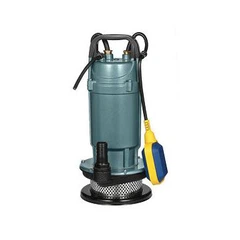
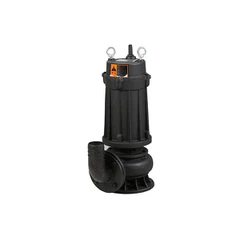
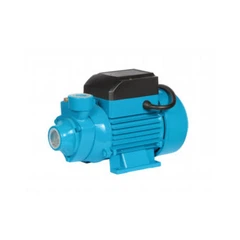
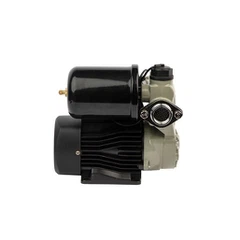
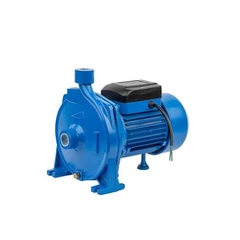

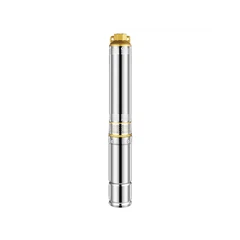


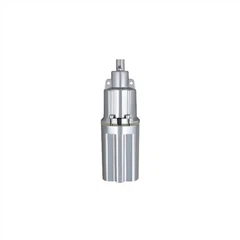

Deep Well Submersible Pump
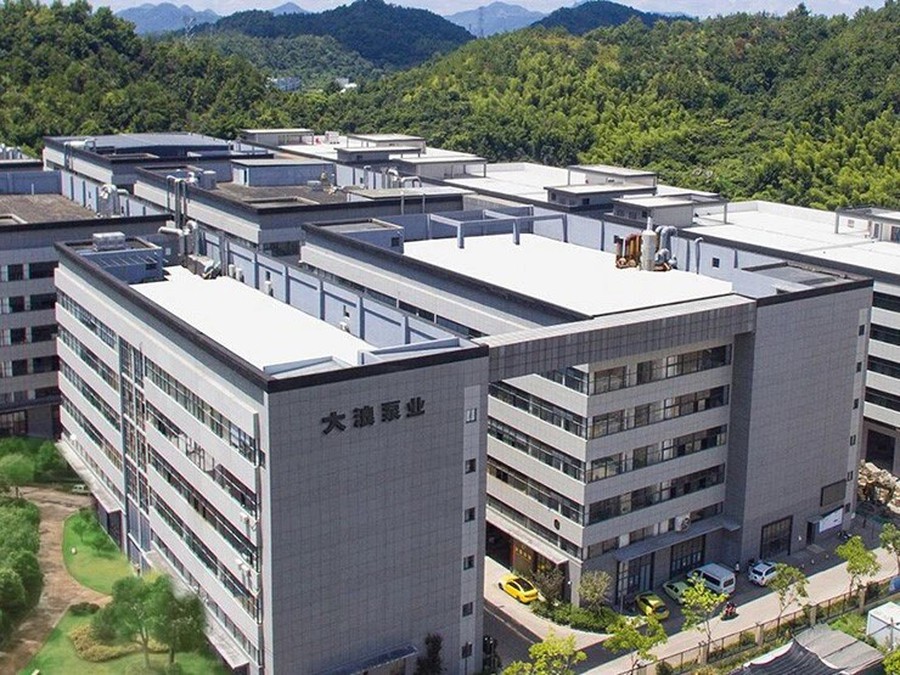
Your Premier Deep Well Submersible Pump Manufacturer
Zhejiang Binter Electric Machinery Co., Ltd is one of the major professional manufacturers of water pumps. With more than 20 years of experience in this field, specializing in submersible pumps,self-priming pumps, JET pumps, QB pumps, centrifugal pumps, CIRCULATOR PUMPS ETC, Located in the "Chinese Pump Town"-Daxi Town, Wenling City, Zhejiang.
After-Sale Warranty
We offer a warranty of 12 months, We will always include 2% of the order quantity of free spare parts which can be easily damaged in each shipment, for your usual easy maintenance.
International Certification
Our products meet the highest quality requirements as stipulated in ISO9001, ISO14000:14001 SGS guidelines, CE and our stringent quality control system.
Global Shipping
We have customers from both the domestic market and overseas market. Our main sales market: North America 80%, Middle East 10%, Asia 10%.
24H Online Service
Our customer service representatives are available 24/7 to assist you with any inquiries, or after-sales services.

A deep well submersible pump is a type of pump that is designed to be submerged in a well or other water source in order to push water to the surface. These pumps are typically used for water supply in residential, agricultural, and industrial applications where water needs to be pumped from deep underground sources. The pump is submerged in the water and pushes the water up through a pipe to the surface. Deep well submersible pumps are efficient, reliable, and capable of pumping water from considerable depths.


Benefits Of Deep Well Submersible Pumps
The main benefits of using a deep well submersible pump are mentioned below:
Safe
All internal components of a submersible pump stay completely sealed from the water or other foreign elements. Hence, it is safer to use a submersible pump in comparison to other types of pumping devices. These devices are coated to prevent corrosion resulting from staying submerged.
Portable
Submersible pumps are lightweight pumping machines with a compact structure. Hence, it can be carried by one person to different places based upon a user’s requirements or pumping requirements.
Priming
There is no need to prime a submersible pump since it functions below the level of the liquid that is being pumped out. Therefore, a submersible pump can be easily used and maintained.
Leak Proof
A submersible pump is fitted with watertight seals and gaskets. This type of sealed structure prevents the leakage of fluid from the submersible pump. The internal components of the pump remain completely sealed which eliminates any possibility of electrical accident.
Efficient
A submersible pump is submerged in the liquid that is being transferred. Hence, it need not use a lot of kinetic energy in order to suction the liquid out. Thus, it can use most of its kinetic energy to move the fluid through the outlets which increases its efficiency. On the other hand, the pump need not work hard since less kinetic energy is required for the transfer of liquid. The longevity of a submersible pump increases due to this reason.
Noise Level
A submersible pump is not noisy when the motor is running since the pump remains submerged. Therefore, the sound is muffled to some extent by the water or any other liquid wherein the pump remains.
Resistant to Corrosion
The materials used for the manufacturing of a submersible pump are capable of resisting corrosion. The hermetic sealing of the pump also prevents exposure to corrosive material or oxidation.
Convenient Placement
The convenient placement of a submersible pump increases its efficiency since it remains submerged in water. Therefore, this type of pumping device can quickly and efficiently transfer the fluid.
Less Maintenance Cost
The submersible pumps are low-maintenance pumping devices because of their design and where they are installed. There is no need for priming and there is no possibility of damage to the internal components resulting from the exposure to foreign elements due to hermetic sealing of submersible pumps. Therefore, this type of pumping device can be maintained easily and economically.
A submersible well pump is designed to operate beneath the earth’s surface. Like the sump pump found in many homes, a submersible well pump will not work unless it’s completely submerged in liquid. Unlike an above ground pumping system, which sucks water out of the ground, a submersible is designed to push water to the surface. Pumps can vary in size and there are two basic types of submersible pumps used to deliver potable water, shallow-well and deep-well.
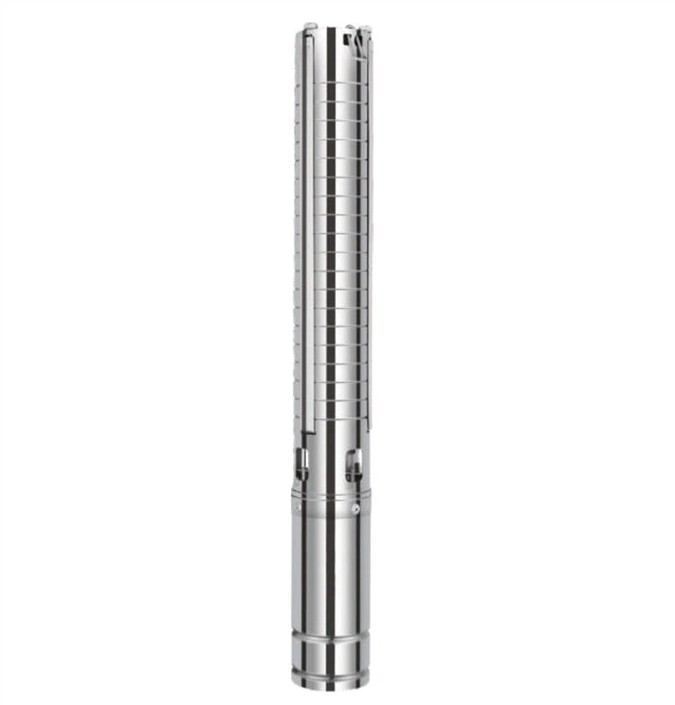
Deep Well Submersible Pump Parts
Pump Motor: The pump motor is responsible for converting electrical energy into mechanical energy to drive the pump’simpeller.
Pump Impeller: The impeller is a rotating component that creates the necessary centrifugal force to draw water into the pump and propel it towards the surface.
Pump Housing: The pump housing encloses the impeller and provides a passage for water to flow through. It is designed to withstand high pressures and prevent leaks.
Pump Shaft: The pump shaft connects the motor to the impeller, transmitting the rotational motion from the motor to the impeller.
Pump Seals: Seals are used to prevent water from leaking out of the pump. They ensure a tight seal between the pump housing and the pump shaft.
Pump Gaskets: Gaskets are used to create a watertight seal between different pump components, preventing any leakage.
Pump Valves: Valves control the flow of water within the pump. They allow water to enter the pump while preventing it from flowing back down the well.
Application of Deep Well Submersible Pump
Deep well submersible pumps are commonly used in various applications such as:
Agriculture
Deep well submersible pumps are used for agricultural irrigation purposes to supply water to crops and fields.
Municipal water supply
These pumps are used to supply water to communities and towns for residential, commercial, and industrial purposes.
Groundwater extraction
Deep well submersible pumps are used to extract groundwater from deep wells for drinking water supply, industrial processes, and other applications.
Mining
These pumps are used in mining operations to extract water from underground mines.
Oil and gas industry
Deep well submersible pumps are used in the oil and gas industry for various applications such as dewatering, well drilling, and water injection.
Geothermal heating and cooling systems
These pumps are used in geothermal systems to circulate water for heating and cooling purposes.
Construction
Deep well submersible pumps are used in construction sites for dewatering and groundwater control.
Water treatment plants
These pumps are used in water treatment plants for various processes such as filtration, disinfection, and distribution.
Maintaining Your Deep Well Submersible Pump: Tips for Longevity and Efficiency
Deep well pumps play a vital role in various applications, from supplying water to homes and industries to maintaining proper irrigation systems.
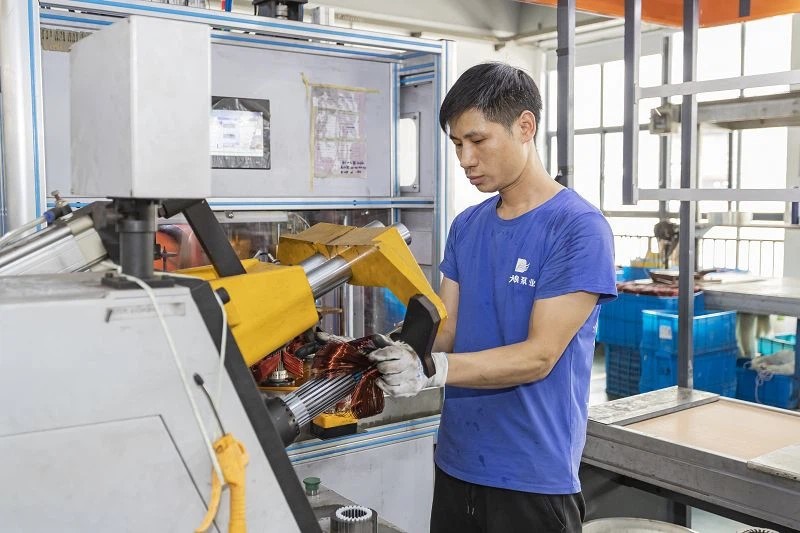
Regular inspection and cleaning
Routine inspection and cleaning are the cornerstones of water pump maintenance. Dust, debris, and other foreign particles can accumulate around the pump, affecting its efficiency. Regularly inspect the pump's intake area and clean it as needed. Remove any obstructions or debris that might hinder the pump's proper functioning.
Check for leaks
A leaking water pump can lead to significant problems over time. Regularly check for leaks around the pump, its connections, and piping. Address any leaks promptly to prevent water wastage and potential damage to the pump itself.
Lubrication
Proper lubrication ensures smooth operation and reduces friction within the pump. Check your deep well pump pump's manual for specific lubrication requirements and intervals. Over-lubrication can be as detrimental as under-lubrication, so follow the manufacturer's recommendations closely.
Monitor pressure and flow
Maintaining the right pressure and flow rate is crucial for the efficient operation of your water pump. Use pressure gauges and flow meters to monitor these parameters regularly. If you notice fluctuations or deviations from the usual values, investigate the cause and address it promptly.
Maintain water quality
The quality of the water being pumped can impact the longevity of your pump. If the water source contains particles or contaminants, consider using appropriate filters to prevent damage to the pump's internals. Regularly clean or replace these filters according to the manufacturer's guidelines.
Factors to Consider Buying Deep Well Submersible Pump
Flow Rate
Flow rate refers to a water pump's efficiency. The rate denotes the time the pump takes to move a certain amount of water. Typically, the measurement records the number of liters per minute.
Inlet Size
The average measurement of the inlet ranges from 1 to 6 inches, although bigger sizes exist. Generally, a big inlet guarantees faster water speeds at the outlet. If you want to complete your job quickly, choose a pump with a relatively larger inlet.
Maximum Head
Maximum head refers to the farthest distance from which the pump has to pull the water. The maximum head becomes greater as the depth increases.
Pump Capacity
Pump capacity refers to the amount of energy the pump requires to move a specific amount of water. This energy is usually in the form of electrical power. The optimal pump capacity depends on the required water discharge and depth. A pump with high capacity will perform better but use a lot of electricity.
Type of Pump
Pumps are available in many types. The first type is a submersible pump that consists of a valve, motor, and pump. The submersible pump can function properly inside the water as long as you submerge the pump fully.
Pump Environment
Outdoor pumps require special materials and installation for protection from weather elements. For instance, the pump can easily freeze when the temperature drops. Other environmental considerations include dust and vapors.
Water Properties
Water may have different properties that can affect the performance of your pump. You need to know the temperature and viscosity of the water before you buy a pump. Also, consider if there are any solids present in the water.
FAQ
Q: How does a deep well submersible pump work?
Q: What are the advantages of using a deep well submersible pump?
Q: How deep can a deep well submersible pump reach?
Q: What are the different types of deep well submersible pumps available?
Q: How do I choose the right size of deep well submersible pump for my well?
Q: How long can a deep well submersible pump last?
Q: Can a deep well submersible pump be used for irrigation purposes?
Q: What are some common issues that can occur with deep well submersible pumps?
Q: How can I prevent issues with my deep well submersible pump?
Q: Can a deep well submersible pump be used for residential purposes?
Q: How noisy is a deep well submersible pump?
Q: Can a deep well submersible pump be used in a horizontal position?
Q: Can a deep well submersible pump be used in saltwater?
Q: Can a deep well submersible pump be used in a lake or pond?
Q: How often should a deep well submersible pump be serviced?
Q: Can a deep well submersible pump be used for drinking water?
Q: How much power does a deep well submersible pump consume?
Q: Can a deep well submersible pump be used in a sandy well?
Q: Are deep well submersible pumps energy efficient?
Q: Can a deep well submersible pump be used for fire protection?
Welcome to buy or wholesale quality and durable deep well submersible pump at the most competitive price from our factory. Our company, BINTER ELECTRIC, is one of the leading deep well submersible pump manufacturers and suppliers in China. We can offer you the quotation consultation.
, Deep Well Borehole Pumps , Submersible Borehole Pump