

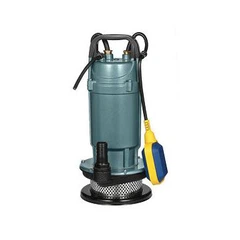
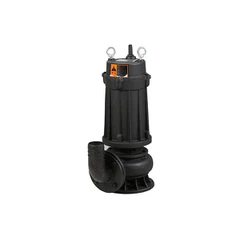
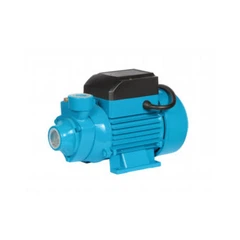
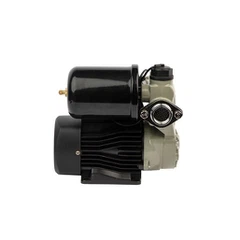
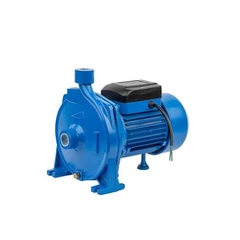

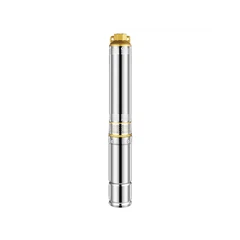


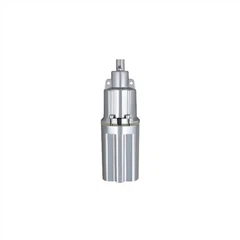

Solar Pump
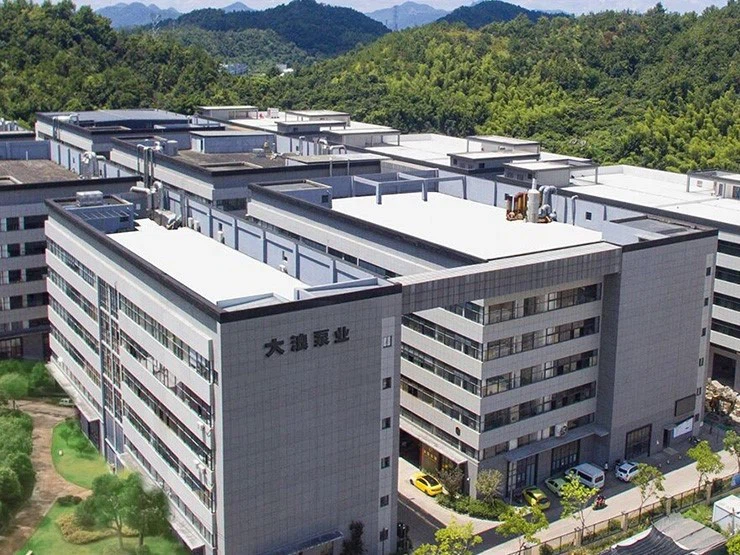
Zhejiang Binter Electric Machinery Co., Ltd is one of the major professional manufacturers of water pumps. With more than 20 years of experience in this field, specializing in submersible pumps,self-priming pumps, JET pumps, QB pumps, centrifugal pumps, CIRCULATOR PUMPS ETC, Located in the "Chinese Pump Town"-Daxi Town, Wenling City, Zhejiang.
01
After-Sale Warranty
We offer a warranty of 12 months, We will always include 2% of the order quantity of free spare parts which can be easily damaged in each shipment, for your usual easy maintenance.
02
International Certification
Our products meet the highest quality requirements as stipulated in ISO9001, ISO14000:14001 SGS guidelines, CE and our stringent quality control system.
03
Global Shipping
We have customers from both the domestic market and overseas market. Our main sales market: North America 80%, Middle East 10%, Asia 10%.
04
24H Online Service
Our customer service representatives are available 24/7 to assist you with any inquiries, or after-sales services.
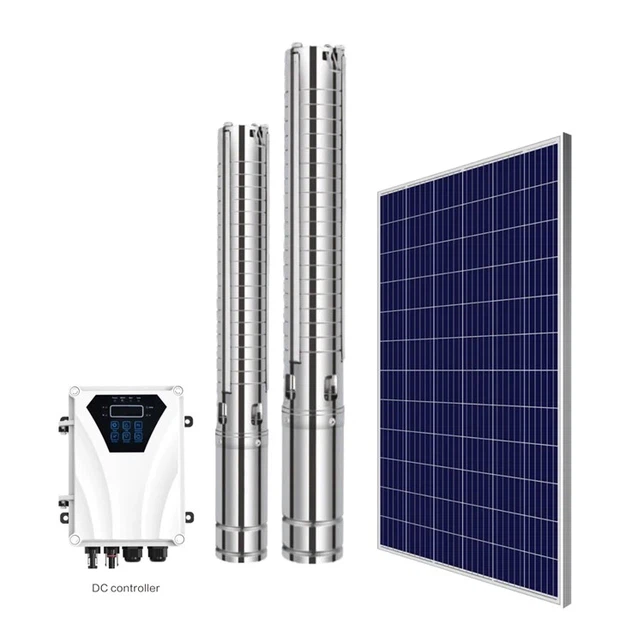
A solar pump is a water pumping system that runs on electricity generated by solar panels. The solar panels convert solar energy into electrical energy, which powers the motor that drives the pump.
The pump is used to draw water from a well, borehole, river, or any other water source and deliver it to a storage tank or directly into an irrigation system for agricultural purposes. Solar pumps are an environmentally friendly and cost-effective alternative to traditional pumps that are powered by non-renewable energy sources.


Advantages of Solar Pump
Very Low Operating Cost
The main advantage of the solar water pump is that it uses sunlight at no cost. Just as solar water pumps reduce dependence on electricity or diesel, once installed, there is no recurrence cost of electricity or fuel.
Comparatively Low Maintenance
Compared to conventional water pumps, solar water pumps require very little maintenance. Solar water pumps have fewer moving parts than other water pumps, so they are much less likely to deteriorate.
Simple and Highly Reliable
Since there is less dependence on electricity and fuel, power cuts, low voltage, and single phase problems such as solar water pumps do not affect the work.
Environmentally Friendly
Since these solar water pumps are powered by a conventional source of energy, they do not release any harmful substances that can cause serious issues such as global warming.
Financially Beneficial
The solar water pumps can be a source of income for the farmers. The farmers can sell surplus energy to the grid, along with using it for water irrigation.
High Versatility and Applicability
You can already easily supply water for your irrigation, livestock,and industrial needs by using a solar pump. Because they use energy from sunlight instead of fossil fuels, solar pumps make water easily accessible, even without fuel or electricity.
Compared to other power systems, standard gas systems or electric systems, solar pumps are efficient. Solar pumps have become a new trend and have tried to replace traditional systems in irrigation and drinking water.
Solar pumps are less maintenance, don't require any complicated wiring systems, and don't have to use external fuel. The energy required for the function of the whole water pump mechanism is obtained from the sunlight by the solar panel.
Compared to fossil fuels that produce carcinogens, greenhouse gases and carbon dioxide, solar pumps do not harm the environment.

Four Major Types of Solar Pump
The solar water pump is becoming increasingly popular for its efficiency and low environmental impact.
Submersible Solar Pumps
Submersible solar pumps, also known as solar pumps for irrigation are designed to be placed underwater, such as in a well, borehole, or pond. They can pump water from great depths and are ideal for applications that require water to be lifted from deep sources. Submersible pumps are more efficient than surface pumps as they require less energy to pump water from deeper depths.
01
Surface Solar Pumps
Surface solar pumps are designed to be placed on the surface of the water source, such as a lake or river. They are less expensive than submersible pumps and are easier to install and maintain. Surface pumps can be used for applications that require water to be lifted from shallow sources.
02
DC Solar Pumps
DC solar pumps are designed to be powered by DC solar panels. They are ideal for off-grid applications where electricity is not available or is too expensive. DC pumps can be used for a variety of applications, such as irrigation, livestock watering, and domestic water supply.
03
AC Solar Pumps
AC solar pumps are designed to be powered by AC solar panels. They are more expensive than DC pumps and require an inverter to convert the DC power generated by the solar panels into AC power. AC pumps are ideal for applications that require a higher flow rate or pressure.
04
Applications of Solar Pump
Cash Crops and Farmland Irrigation
In arid and semi-arid areas, the lack of water resources makes it difficult to irrigate crops. The solar water pump system is used to irrigate crops, achieving the purpose of low energy consumption and environmental protection. At the same time, the cost of pumping water is reduced, and the economic benefit is significant.
Management of Barren Hills
In the process of the greening of barren hills, vegetation irrigation has become a big problem. Solar water pump system uses solar energy resources and groundwater resources according to local conditions and configures drip irrigation and an intelligent control system, which is an effective way to solve vegetation irrigation in the process of barren hills management.
Soil Erosion Protection
In areas with soil erosion, solar energy is used to pump water from rivers ashore without the need for a power supply to irrigate soil erosion-proof vegetation on both banks and hillsides. Solar water pump systems play an important role in the governance of soil erosion protection.
Desertification Land Management
Photovoltaic water pump systems are also widely used in afforestation, returning forest and grassland, curbing the spread of desertified land and desertification grassland management, protecting and restoring desertification grassland grassland vegetation, comprehensive management of small watersheds and water sources, etc.
Livestock Water and Pasture Irrigation
Drought and water shortage will cause serious damage to grasslands, large areas of forages will dry up, and animal husbandry production will be severely impacted. The solar water pump system effectively uses the solar panel to convert the solar energy into electricity, drives the water pump to extract groundwater, and transforms the natural grassland into artificial grassland.
Domestic Water
Photovoltaic water pump systems can effectively provide safe and secure water supply solutions for households in remote areas with insufficient water supply due to power shortages. It can effectively meet various household water needs.
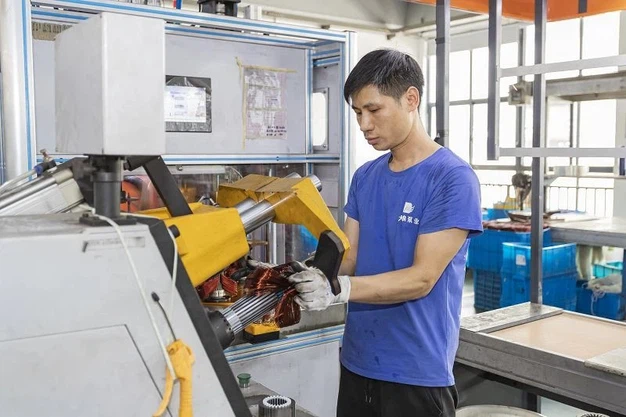
The working method of solar pump system is to work through photovoltaic water pumping inverter, convert solar energy into electrical energy, drive the impeller of water pump to rotate, thereby generating power to transport fluid from low pressure area to high pressure area, or extract fluid from high pressure area to low pressure area. Due to its small size, it generally does not have the characteristics of large flow and high head.
Solar pumps are an economical and practical solution for providing water to inconvenient or budget-friendly places, suitable for residential and commercial applications. They are a clean alternative to fossil fuel-driven windmills and generators, an attractive way to supply water, using solar energy that is available everywhere and inexhaustible. The system automatically starts at sunrise and stops at sunset, without the need for personnel supervision, and the maintenance workload can be minimized.
Tips For Using Solar Pumps
Choose a suitable solar pump
When choosing a solar water pump, you need to consider parameters such as the power, flow rate and head of the pump. According to actual needs, choosing a suitable solar water pump can improve efficiency and save energy.
Reasonable installation of solar pumps
The installation location of the solar water pump should be selected in a place with direct sunlight to avoid shadows. At the same time, make sure that the angle and direction of the solar panel are adjusted correctly to maximize the absorption of solar energy. In addition, pay attention to placing the pump on a stable base to prevent vibration and tilting.
Clean the solar pump regularly
After using the solar water pump for a period of time, a certain amount of dust and impurities will accumulate, affecting the working efficiency of the pump. Therefore, it is necessary to clean the solar water pump regularly. When cleaning, you can use a soft brush or clean water to gently wipe the solar panel and pump body, and be careful not to use too much force to avoid damaging the equipment.
Reasonable use of water storage facilities
Solar water pumps are usually equipped with water storage facilities to store water for daily use. During use, make reasonable use of water storage facilities to avoid waste and insufficient water. According to actual needs, you can reasonably arrange the water use time and water consumption, save water resources, and extend the service life of the solar water pump.
Maintenance Tips For Solar Pumps
1. Regularly check whether the various components of the solar water pump are operating normally, and whether there are problems such as leakage and looseness. Especially at the connection between the solar panel and the water pump, pay attention to check whether there is looseness or falling off. Timely discovery and solution of problems can avoid further damage to the equipment.
2. The solar panel is the core component of the solar water pump, and its cleanliness directly affects the energy absorption efficiency. Therefore, the solar panel should be cleaned regularly to keep its surface clean and smooth. When cleaning, you can use a soft brush to wipe gently, and avoid using hard objects or chemicals to avoid scratching or damaging the solar panel.
3. In the cold winter, solar water pumps are susceptible to freezing. In order to prevent freezing, you can add insulation materials such as foam boards around the water pump. In addition, you can also drain the water when the solar pump is out of use to prevent damage to the water pipes and pump body caused by freezing.
4. Regularly replace wearing parts Some wearing parts of solar pumps, such as seals, bearings, etc., will wear out or age after a period of use. In order to ensure the normal operation of the solar pump, these wearing parts need to be checked and replaced regularly.
FAQ
Q: What are the advantages of a solar water pump?
Q: How does a solar air pump work?
Q: What is the difference between a solar pump and a normal pump?
Q: Does a solar water pump need a battery?
Q: How do you run a solar pump?
Q: How long does a solar pump take to charge?
Q: Can a solar pump be used for livestock watering?
Q: Are there different types of solar pumps available?
Q: Are solar pumps environmentally friendly?
Q: Can a solar pump be integrated with existing water systems?
Q: Are there government incentives for installing solar pumps?
Q: Can a solar pump be used for emergency water supply?
Q: Can a solar pump be used for commercial applications?
Q: How good are solar water pumps?
Q: How long does a solar pump last?
Q: Do solar pumps work at night?
Q: Can a solar pump be used in cold climates?
Q: Can a solar pump be used in areas with high water tables?
Q: What does a solar pump do?
Q: Can a solar pump be used for heating water?
Q: Can a solar pump be connected to a smart control system?
Welcome to buy or wholesale quality and durable solar pump at the most competitive price from our factory. Our company, BINTER ELECTRIC, is one of the leading solar pump manufacturers and suppliers in China. We can offer you the quotation consultation.