
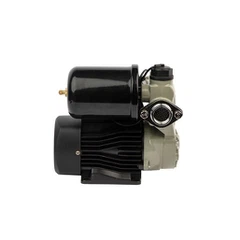
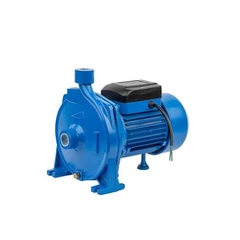

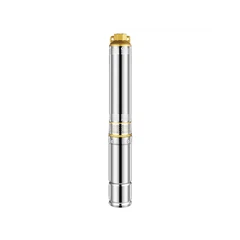


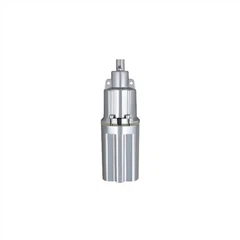

Sewage Pump
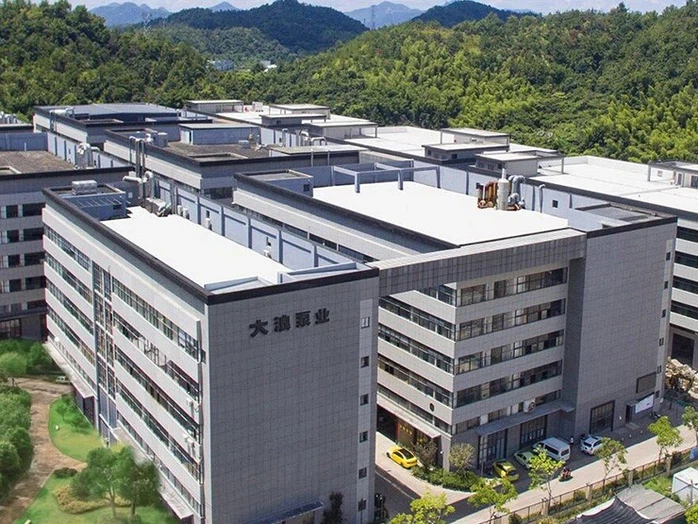
Zhejiang Binter Electric Machinery Co., Ltd is one of the major professional manufacturers of water pumps. With more than 20 years of experience in this field, specializing in submersible pumps,self-priming pumps, JET pumps, QB pumps, centrifugal pumps, CIRCULATOR PUMPS ETC, Located in the "Chinese Pump Town"-Daxi Town, Wenling City, Zhejiang.
After-Sale Warranty
We offer a warranty of 12 months, We will always include 2% of the order quantity of free spare parts which can be easily damaged in each shipment, for your usual easy maintenance.
International Certification
Our products meet the highest quality requirements as stipulated in ISO9001, ISO14000:14001 SGS guidelines, CE and our stringent quality control system.
Global Shipping
We have customers from both the domestic market and overseas market. Our main sales market: North America 80%, Middle East 10%, Asia 10%.
24H Online Service
Our customer service representatives are available 24/7 to assist you with any inquiries, or after-sales services.
What is a Sewage Pump?
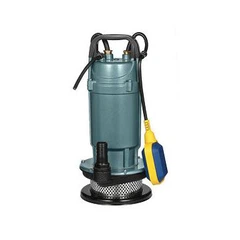
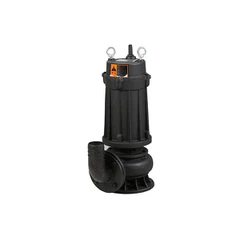
A sewage pump is used to transfer sewage liquids and solids from one place to another. Since the pump is submerged most of the time, it is also referred to as a submersible sewage pump. Sewage pump can be automatic, manual or dual mode. A dual mode pump contains a piggyback plug, which allows the pump to be used as either manual, wherein the pump bypasses the switch and is plugged in directly into the socket or as automatic, wherein the pump is plugged in through the floating switch and works only when the switch is activated.


Advantages of Sewage Pump
Compact structure and small footprint
Because the sewage pump works submerged in the liquid, it can be directly installed in the sewage pool, and there is no need to build a special pump room to install the pump and motor, which saves a lot of land and infrastructure costs.
Easy installation and maintenance
Small sewage pumps can be placed freely, and large sewage pumps are generally equipped with automatic coupling devices for automatic installation, which is very convenient for installation and maintenance.
Long continuous operation time
Since the pump and the motor are coaxial, the shaft is short, and the rotating parts are light in weight, the load (radial) on the bearing is relatively small, and the service life is much longer than that of the general pump.
Prevent flooding damage
When heavy rains trigger a flood of water into your basement, you can quickly have 15 inches of flood water covering the floor and damaging almost everything inside, which can be especially devastating if you store valuable items in the basement. With a working sump pump, this disaster can be averted easily.
Reduce the threat of mold and mildew
Continual dampness inside a basement from water in stagnant pools will contribute to the growth of mold and mildew. Not only are these both damaging to building materials, but they are health problems as well.
Reduce the risk of fire
The water will short-circuit the appliances in the basement, such as laundry machines, water heaters, and heating systems. So, aside from ruining these valuable appliances, water can also create a fire danger. A sump pump will keep the water from threatening equipment that could trigger household fires.

Typically, a sewage pump works by using a rotating impeller powered by an electric motor. During operation, the pressure generated by the motor allows the water to flow up through the impeller and into the discharge pipe for distribution.
By far the most common type of sewage pumps are centrifugal pumps, which are favored for their high flow rate and relatively simple operation.
Types of Sewage Pumps
Effluent Pumps-effluent pumps are the pumps most often uses in small on-site system. They are designed to pump effluent, the effluent flowing out of a septic tank. This effluent is relatively clear liquid because the solids have developed out in the septic tank. Effluent pump can pump higher levels and more efficient than the other types of sewage pumps because these pumps don’t have to handle sewage solids.
Solid Handling Pumps-these pumps is also called sewage ejector pumps made to pump raw sewage. Raw sewage contains too many solids for most pumps, so only solids-handling pumps should be used where raw sewage has to be pumped.
Grinder Pumps-a grinder pump is much like a solid-handling pump. It can pump raw sewage. The difference is that the grinder pump has rotating blades, like garbage grinders that cut and grind the solids into small particles before the sewage is pumped.
Application of Sewage Pump
Sewage pumps are used in various applications to efficiently and effectively transfer wastewater from residential, commercial, and industrial buildings to the sewer system or septic tank. Some common applications of sewage pumps include:
Residential sewage systems
Sewage pumps are commonly used in residential buildings to pump wastewater from bathrooms, kitchens, and laundry facilities to the sewer system or septic tank.
Commercial buildings
Sewage pumps are used in commercial buildings such as office buildings, hotels, restaurants, and shopping centers to transfer wastewater from toilets, sinks, and other fixtures to the sewer system.
Industrial facilities
Sewage pumps are essential in industrial facilities such as factories, manufacturing plants, and warehouses to handle large volumes of wastewater generated during production processes.
Municipal wastewater treatment plants
Large sewage pumps are used in municipal wastewater treatment plants to transfer raw sewage from collection systems to treatment facilities for processing.
Pumping stations
Sewage pumps are installed in pumping stations along sewer lines to lift wastewater from lower to higher elevation points, ensuring proper flow and preventing backups and overflows.
Emergency backup systems
Sewage pumps can be used as emergency backup systems in case of power outages or pump failures to ensure continuous wastewater transfer and prevent potential health and environmental hazards.


Precautions For Use Sewage Pump
Using a sewage pump requires taking several precautions to ensure safety, efficiency, and longevity of the equipment. Here are some important precautions to keep in mind:
● Proper Sizing: Ensure that the pump is properly sized for the application. A pump that is too small won't handle the load, while an oversized pump may lead to inefficiencies and increased wear.
● Secure Mounting: The pump should be securely mounted to prevent movement during operation, which could result in damage or disconnection.
● Check Valves: Install check valves in the discharge line to prevent backflow of sewage into the pump when it stops running.
● Ventilation and Cooling: Ensure that the pump is placed in a well-ventilated area and that heat generated by the motor can dissipate. Overheating can reduce the pump’s lifespan.
● Regular Inspections: Conduct regular inspections to check for leaks, unusual noises, or vibrations, which can indicate potential problems.
● Float Switches: Ensure that the float switches (if equipped) are functioning correctly and are unobstructed. These switches control the automatic starting and stopping of the pump based on fluid levels.
● Avoid Dry Running: Never run the pump dry, as this can cause damage to the seals and motor. Ensure the pump is always submerged to avoid overheating and mechanical failure.
● Debris Management: Regularly check and clear any debris that may accumulate around the pump inlet to prevent blockages and maintain efficient operation.
● Routine Maintenance: Follow the manufacturer’s recommended maintenance schedule, which may include checking seals, lubricating moving parts, and replacing worn components.
● Seal Inspection: Regularly inspect and replace mechanical seals and O-rings to prevent water ingress which could damage the motor.
● Impeller Maintenance: Periodically inspect and clean the impeller and volute for any buildup of sludge, rags, or debris that could impair performance.
● Electrical Components: Inspect electrical connections and components for signs of wear or corrosion. Replace any damaged parts promptly to maintain safe operation.
Safety Precautions
● Personal Protective Equipment (PPE): Always wear appropriate PPE, such as gloves and safety glasses, when performing maintenance or inspection tasks to protect against hazardous materials found in sewage.
● Lockout/Tagout Procedures: Before performing any maintenance, follow lockout/tagout procedures to ensure the pump cannot be accidentally turned on.
● Avoid Direct Contact: Minimize direct contact with sewage and wastewater, as these can contain harmful pathogens and chemicals. Use proper sanitation methods after handling.
● Emergency Plans: Have an emergency plan in place for dealing with pump failures or leaks, including spare parts and backup pumps if necessary.
FAQ
Q: What does a sewage pump do?
Q: How do I know if I have a sewage pump?
Q: Is a sewage pump necessary?
Q: What is the difference between a sewage pump and a submersible pump?
Q: Can a sewage pump handle toilet paper?
Q: Should a sewer pump run all the time?
Q: How many years does a sewage pump last?
Q: How often should you clean a sewage pump?
Q: Can you unplug a sewage pump?
Q: What are the signs that a sewage pump needs to be replaced?
Q: Can a sewage pump handle solid waste?
Q: What size sewage pump do I need for my home?
Q: Can a sewage pump be installed outside?
Q: Can a sewage pump handle chemicals?
Q: What maintenance is required for a sewage pump?
Q: Can a sewage pump be used in a septic system?
Q: Can a sewage pump handle high volumes of water?
Q: Can a sewage pump handle grease?
Q: Can a sewage pump be used in a commercial building?
Q: Can a sewage pump be used in a basement?
Welcome to buy or wholesale quality and durable sewage pump at the most competitive price from our factory. Our company, BINTER ELECTRIC, is one of the leading sewage pump manufacturers and suppliers in China. We can offer you the quotation consultation.
, Dirty Water Pump , Effluent Pump , Sump Pump