

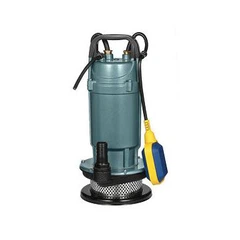
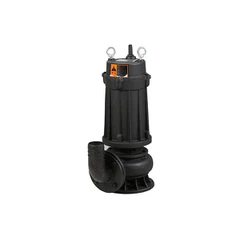
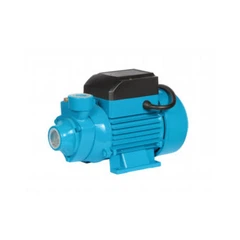
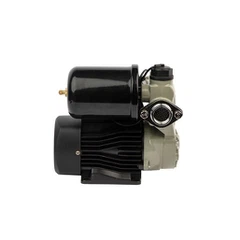
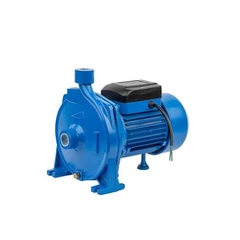

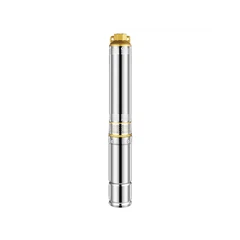


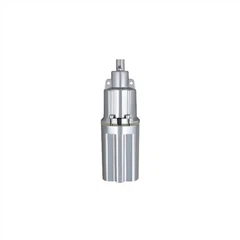

Small Centrifugal Pump
Your Professional Small Centrifugal Pump manufacturer!
Zhejiang Binter Electric Machinery Co., Ltd is one of the major professional manufacturers of water pumps. With more than 20 years of experience in this field, specializing in submersible pumps,self-priming pumps, JET pumps, QB pumps, centrifugal pumps, CIRCULATOR PUMPS ETC, Located in the "Chinese Pump Town"-Daxi Town, Wenling City, Zhejiang.

After-Sale Warranty
We offer a warranty of 12 months, We will always include 2% of the order quantity of free spare parts which can be easily damaged in each shipment, for your usual easy maintenance.
International Certification
Our products meet the highest quality requirements as stipulated in ISO9001, ISO14000:14001 SGS guidelines, CE and our stringent quality control system.
Global Shipping
We have customers from both the domestic market and overseas market. Our main sales market: North America 80%, Middle East 10%, Asia 10%.
24H Online Service
Our customer service representatives are available 24/7 to assist you with any inquiries, or after-sales services.


A small centrifugal pump is a type of pump designed to move fluids by converting rotational kinetic energy into hydrodynamic energy. This is achieved through the use of a rotating impeller, which accelerates the fluid and creates a flow through the pump. Small centrifugal pumps are compact versions of centrifugal pumps, making them suitable for applications where space is limited or where only a small volume of fluid needs to be moved.
Advantages of small Centrifugal Pump
Compact Size
Due to their small size, they can fit into tight or confined spaces where larger pumps would be impractical.
Simple Design
Fewer moving parts and simple design make them easier to maintain and repair.
Cost Effectiveness
Often cheaper than larger pumps due to their small size and simplicity.
Efficient Fluid Handling
Provides a steady flow of fluid, which is beneficial for many applications that require consistent fluid movement.
Easy Installation
Often easier to install than larger or more complex pumping systems.
Low Noise Levels
Small centrifugal pumps generally run quieter than larger pumps and are suitable for noisier environments.
Effective at Low Flows
Designed to efficiently handle small volumes of fluid, they are suitable for applications that require low flows.
Low Maintenance Requirements
Due to their rugged design and fewer moving parts, they generally require less frequent maintenance than more complex systems.
Application Versatility
Suitable for a wide range of applications, from medical devices and laboratory equipment to small industrial and automotive systems.
Application of small Centrifugal Pump
1. Medical Devices
Infusion Pumps: Used in hospitals to deliver precise amounts of fluids, medications, or nutrients to patients.
Blood Pumps: Employed in medical equipment for blood circulation in dialysis machines or heart-lung machines.
Lab Equipment: Utilized in laboratory devices for mixing, transferring, or circulating fluids.
2. Automotive
Coolant Circulation: Used to circulate coolant through the engine and radiator, helping to maintain optimal engine temperatures.
Windshield Washer Systems: Powers the fluid delivery to windshield wipers for cleaning the windshield.
3. HVAC Systems
Water Circulation: Moves water through heating and cooling systems, such as radiators and air handlers, to regulate temperature.
Condensate Removal: Helps in draining condensate from air conditioning units and dehumidifiers.
4. Industrial Processes
Fluid Transfer: Used in small-scale industrial processes to transfer chemicals, oils, or other fluids.
Cooling Systems: Circulates fluids in small cooling systems for machinery or electronic components.
5. Home Appliances
Aquarium Pumps: Provides circulation and filtration in aquarium systems, ensuring proper oxygenation and water quality.
Small Water Fountains: Powers decorative water features and small indoor fountains.
6. Laboratories
Chemical Processing: Used for mixing, transferring, or circulating chemicals and reagents in laboratory experiments.
Sample Handling: Pumps small volumes of liquids for analysis or processing.
7. Agriculture
Irrigation Systems: Helps in the distribution of water to crops or garden beds in small-scale irrigation systems.
Pesticide and Fertilizer Application: Used to deliver pesticides or fertilizers in agricultural settings.
8. Marine Applications
Bilge Pumping: Assists in removing water from the bilge of small boats or yachts to prevent flooding.
Freshwater Circulation: Circulates freshwater in small marine systems for various onboard applications.
Precautions for use small Centrifugal Pump
Read the Manual
Always review the manufacturer's manual for specific operating instructions and safety guidelines.
01
Check for Proper Installation
Ensure that the pump is installed correctly, with all connections secure and aligned. Improper installation can lead to leaks or damage.
02
Ensure Proper Priming
Centrifugal pumps typically need to be primed before use. Verify that the pump casing and suction line are filled with liquid to avoid running the pump dry, which can cause damage.
03
Monitor Operating Conditions
Keep an eye on the pump's operating parameters, such as pressure and flow rate, to ensure they are within the manufacturer's recommended range.
04
Inspect for Leaks
Regularly check for leaks around the pump and its connections. Address any leaks immediately to prevent potential damage or safety hazards.
05
Check for Obstructions
Ensure that the suction and discharge lines are free from obstructions or blockages that could affect the pump's performance.
06
Maintain Proper Lubrication
If the pump has bearings or other moving parts that require lubrication, ensure they are properly lubricated according to the manufacturer's specifications.
07
Avoid Cavitation
Cavitation occurs when vapor bubbles form and collapse in the pump, which can cause damage. To prevent cavitation, maintain proper suction conditions and avoid running the pump at too high a speed.
08
Ensure Electrical Safety
If the pump is electrically driven, ensure that electrical connections are secure and that the pump is grounded properly. Follow all electrical safety guidelines.
09
Protect Against Freezing
If the pump is used in cold environments, take steps to prevent freezing, which could cause damage to the pump or piping.
10
How to troubleshoot Small Centrifugal Pump failure
Check for Power Supply Issues
Ensure Electrical Power: Verify that the pump is receiving power and that all electrical connections are secure.
Inspect Circuit Breakers: Check if any circuit breakers have tripped or if fuses are blown.
Inspect the Pump for Physical Issues
Look for Leaks: Examine the pump and its connections for any signs of leakage.
Check for Noise: Listen for unusual noises such as grinding, banging, or high-pitched sounds, which can indicate mechanical issues.
Verify Proper Priming
Ensure Pump is Primed: Make sure the pump is fully primed. If the pump runs dry, it can cause cavitation or damage.
Check for Air Leaks: Inspect the suction line for any air leaks that could prevent proper priming.
Examine Flow and Pressure Issues
Measure Flow Rate: Verify that the flow rate matches the pump’s specifications. Low or irregular flow could indicate a blockage or malfunction.
Check Pressure Gauges: Ensure the pressure readings are within the expected range. Abnormal pressure could indicate issues with the pump or the system.
Inspect the Impeller and Bearings
Check Impeller: Ensure the impeller is not clogged or damaged. Debris or wear can affect performance.
Examine Bearings: Listen for unusual noises from the bearings and check for excessive play or wear.
Assess System Condition
Verify Suction Conditions: Ensure that the suction line is not clogged and that the pump is receiving an adequate supply of liquid.
Check Discharge Line: Make sure the discharge line is clear and that there are no obstructions.
Products Description


FAQ
Q: What is a small centrifugal pump?
Q: How does a small centrifugal pump work?
Q: What are the common applications of small centrifugal pumps?
Aquariums and fish tanks
Water fountains
Small irrigation systems
Cooling systems
Chemical and pharmaceutical processing
HVAC systems
Q: What materials are typically used in small centrifugal pumps?
Plastic: For corrosion resistance and lightweight applications.
Stainless Steel: For durability and resistance to corrosion in aggressive environments.
Bronze: Often used for its strength and resistance to corrosion.
Ceramic: Used in some high-wear applications for its durability.
Q: How do I select the right small centrifugal pump for my application?
Flow Rate: The amount of fluid you need to move per unit time.
Head Pressure: The height the fluid needs to be lifted.
Fluid Characteristics: Viscosity, temperature, and chemical compatibility.
Power Supply: Voltage and power requirements.
Size and Space Constraints: The physical dimensions of the pump and available space.
Q: What are the common causes of failure in small centrifugal pumps?
Cavitation: Due to inadequate suction conditions or high operating speeds.
Clogging: By debris or particles in the fluid.
Dry Running: Operating without fluid, leading to overheating.
Seal Failure: Resulting in leaks.
Mechanical Wear: From components like bearings and impellers.
Q: How can I maintain a small centrifugal pump?
Checking and cleaning: Inspecting and cleaning the impeller and other internal parts.
Monitoring seals and gaskets: Ensuring they are intact and replace them if necessary.
Lubrication: Regularly lubricating bearings and moving parts.
Inspecting for leaks: Checking all connections and fittings for signs of leakage.
Periodic servicing: Following the manufacturer's maintenance schedule.
Q: What is cavitation, and how can it be prevented?
Ensure proper priming: Always fill the pump with fluid before starting.
Maintain adequate suction pressure: Avoid excessive pipe lengths or restrictions.
Avoid running the pump at high speeds: That exceed its design specifications.
Q: Can a small centrifugal pump be used with any type of fluid?
Welcome to buy or wholesale quality and durable small centrifugal pump at the most competitive price from our factory. Our company, BINTER ELECTRIC, is one of the leading small centrifugal pump manufacturers and suppliers in China. We can offer you the quotation consultation.
Centrifugal Water Pump, Centrifugal Pump for Building, Centrifugal Pressure Pump , Micro Centrifugal Pump , Small Centrifugal Water Pumps