

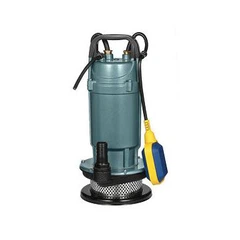
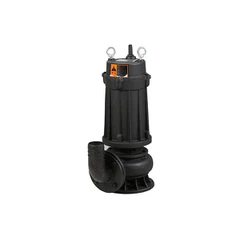
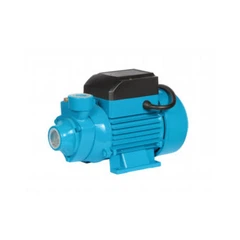
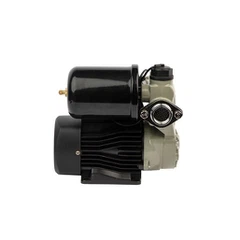
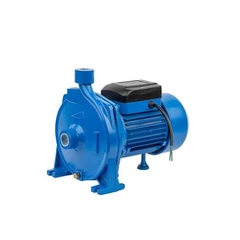

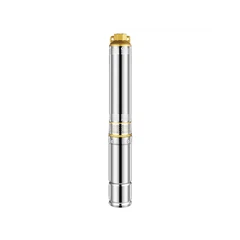


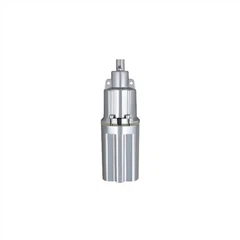

Micro Peripheral Pump

who we are?
Zhejiang Binter Electric Machinery Co., Ltd is one of the major professional manufacturers of water pumps. With more than 20 years of experience in this field, specializing in submersible pumps,self-priming pumps, JET pumps, QB pumps, centrifugal pumps, CIRCULATOR PUMPS ETC, Located in the "Chinese Pump Town"-Daxi Town, Wenling City, Zhejiang.
After-Sale Warranty
We offer a warranty of 12 months, We will always include 2% of the order quantity of free spare parts which can be easily damaged in each shipment, for your usual easy maintenance.
International Certification
Our products meet the highest quality requirements as stipulated in ISO9001, ISO14000:14001 SGS guidelines, CE and our stringent quality control system.
Global Shipping
We have customers from both the domestic market and overseas market. Our main sales market: North America 80%, Middle East 10%, Asia 10%.
24H Online Service
Our customer service representatives are available 24/7 to assist you with any inquiries, or after-sales services.


A Micro Peripheral Pump is a small, often compact pump designed to handle fluids in low-flow applications. These pumps are typically used in precision tasks where exact fluid control is crucial, such as in medical devices, analytical instruments, and various laboratory processes.
Advantages of Micro Peripheral Pump
Micro Peripheral Pumps offer several advantages, particularly in applications that require precise control and handling of small fluid volumes.
Precision and Accuracy
These pumps provide very accurate control over flow rates, which is crucial for tasks that require exact fluid measurements or dosing.
Compact Size
Their small size allows them to be used in applications with limited space, making them ideal for portable devices or intricate systems.
Low Flow Rates
They are designed to handle low flow rates effectively, which is perfect for applications like microfluidics, lab-on-a-chip systems, and small-scale chemical reactions.
Flexibility
Micro Peripheral Pumps can handle a range of fluids, including corrosive or viscous substances, depending on the materials used in their construction.
Consistency and Reliability
They are built to deliver consistent performance over time, reducing variability in fluid handling and increasing the reliability of the overall system.
Low Power Consumption
Many micro pumps are designed to be energy-efficient, which is beneficial for battery-powered or energy-sensitive applications.
Minimal Maintenance
They often require minimal maintenance compared to larger, more complex pumps, which can reduce operational costs and downtime.
Integration
Their small size and precise control make them easy to integrate into sophisticated systems and devices, including medical equipment, analytical instruments, and research apparatus.
Quiet Operation
Many micro peripheral pumps operate quietly, which is advantageous in environments where noise could be a concern, such as in medical or laboratory settings.
Types of Micro Peripheral Pump
Peristaltic Pumps
Operation: These pumps work by compressing and releasing a flexible tube or hose using rotating rollers or shoes, which moves the fluid through the tube.
Advantages: They are ideal for handling sensitive or abrasive fluids because the fluid never comes into contact with the pump's moving parts. They also provide precise flow control and are easy to maintain.
Applications: Used in medical devices, laboratory analysis, and fluid handling in chemical processing.
Diaphragm Pumps
Operation: These pumps use a diaphragm (a flexible membrane) that moves back and forth to create suction and push fluid through the pump.
Advantages: They are capable of handling aggressive chemicals and can provide precise flow rates. They also have good sealing capabilities, preventing fluid leakage.
Applications: Common in chemical processing, pharmaceuticals, and environmental testing.
Gear Pumps
Operation: Gear pumps use meshing gears to move fluid. The rotation of the gears creates a vacuum that draws fluid in and then pushes it out through the pump.
Advantages: They offer consistent flow rates and can handle various viscosities. They are durable and provide good control over flow rates.
Applications: Used in lubrication systems, fuel transfer, and some analytical applications.
Piston Pumps
Operation: Piston pumps use a reciprocating piston to move fluid through a cylinder. The piston’s movement creates pressure and suction to push the fluid.
Advantages: They can handle high pressures and provide precise control over flow rates. They are suitable for handling both low and high-viscosity fluids.
Applications: Utilized in high-pressure applications, chemical dosing, and in some medical devices.
Rotary Vane Pumps
Operation: These pumps use a rotor with vanes that slide in and out of the rotor slots to create suction and move fluid through the pump.
Advantages: They are compact and can handle a variety of fluids, including those with particulate matter. They also provide smooth and consistent flow.
Applications: Used in industrial processes, vacuum systems, and small-scale chemical processing.
Syringe Pumps
Operation: Syringe pumps use a syringe mechanism to precisely control the amount and rate of fluid being dispensed. The syringe is driven by a motor or manual mechanism.
Advantages: They offer very high precision and are ideal for applications requiring exact volume control.
Applications: Commonly used in medical applications, research laboratories, and for controlled fluid delivery.
Solenoid-Driven Pumps
Operation: These pumps use an electromagnetic solenoid to create a reciprocating motion that moves fluid through the pump.
Advantages: They are typically small and provide precise, repeatable dosing. They are also efficient and can handle a variety of fluids.
Applications: Used in dispensing systems, medical devices, and analytical equipment.
Material of Micro Peripheral Pump
Housing and Casing
Plastic: Common plastics include polycarbonate (PC), polypropylene (PP), and polyether ether ketone (PEEK). Plastics are lightweight and resistant to many chemicals.
Aluminum: Used for its strength and lightweight properties, though it may be less resistant to certain chemicals.
Stainless Steel: Offers excellent resistance to corrosion and is used in more demanding environments.
Pump Rotors and Gears
Plastic: Engineering plastics such as PEEK, polysulfone (PSU), or polyimide are often used for their wear resistance and low friction.
Metal: Stainless steel or other alloys can be used for their durability and strength, especially in pumps handling higher pressures or more abrasive fluids.
Seals and Gaskets
Rubber: Various rubber compounds like nitrile (NBR) or ethylene propylene diene monomer (EPDM) are used for their flexibility and sealing properties.
Silicone: Offers good temperature resistance and chemical compatibility.
PTFE : Used for its high chemical resistance and low friction properties.
Tubing and Diaphragms
Silicone Tubing: Flexible and resistant to many chemicals, making it suitable for medical and pharmaceutical applications.
Fluoropolymer Tubing: Such as PTFE or FEP, used for their chemical resistance and high temperature tolerance.
Maintenance of Micro Peripheral Pump
1.Regular Inspections
Inspect the pump regularly for signs of leaks, which may indicate worn seals or gaskets. Check rotors, gears and other moving parts for wear or damage.
2. Cleaning
After use, especially with corrosive or particulate-containing fluids, flush the pump with an appropriate cleaning solution to prevent residue buildup.
3. Lubrication
If the pump design requires lubrication, make sure moving parts are lubricated according to the manufacturer's specifications. Use recommended lubricants to avoid damage.
4. Check and Replace Seals
Regularly check seals and gaskets for wear, and if they show signs of degradation, replace them to prevent leaks and ensure proper sealing.
5. Monitor Performance
Monitor the performance of the pump, including flow rate and pressure, to detect any deviations from expected performance, which may indicate a problem. Unusual noises may indicate mechanical problems, such as misalignment or worn components.
6. Ensure Proper Calibration
If the pump is used in precision applications, it may need to be recalibrated regularly to maintain accuracy.
7. Avoid Overloading
Make sure the pump operates within the specified pressure, flow rate and temperature range to avoid premature wear or failure.
8. Protection from harsh conditions
Make sure the pump and its components are suitable for the environmental conditions to which it will be exposed, including extreme temperatures and chemical exposure.
9. Proper storage
If the pump is not to be used for an extended period of time, store it in a clean, dry environment to avoid contamination and damage.
Our Workshop


FAQ
Q: What is a micro peripheral pump?
Q: What are the key advantages of using a micro peripheral pump?
Precision: Provides accurate and consistent fluid flow.
Compact Size: Small and lightweight, ideal for limited space applications.
Low Pulsation: Often designed to minimize pulsations, which is crucial for sensitive applications.
Chemical Compatibility: Can be made from materials compatible with a wide range of chemicals.
Q: What types of fluids can micro peripheral pumps handle?
Water and aqueous solutions
Chemicals and solvents
Viscous fluids
Suspensions and emulsions However, the compatibility depends on the pump materials and design, so always check with the manufacturer.
Q: How do I choose the right micro peripheral pump for my application?
Flow Rate: Ensure the pump meets the required flow rate for your application.
Pressure Range: Check the maximum pressure the pump can handle.
Fluid Compatibility: Choose materials compatible with the fluid you will be pumping.
Size and Form Factor: Ensure the pump fits within your space constraints.
Pulsation Tolerance: Depending on the sensitivity of your application, select a pump with low pulsation.
Q: What maintenance is required for a micro peripheral pump?
Regular inspections for leaks and wear.
Cleaning to prevent residue build-up.
Lubricating moving parts if necessary.
Checking and replacing seals and gaskets as needed.
Monitoring performance for deviations in flow rate or pressure.
Q: Can micro peripheral pumps handle high-pressure applications?
Q: Are micro peripheral pumps suitable for medical applications?
Q: How do I troubleshoot common issues with micro peripheral pumps?
Check for leaks: Inspect seals and connections.
Verify flow rates: Compare actual performance with specifications.
Listen for unusual noises: Indicates potential mechanical issues.
Examine for clogging or blockages: Clean or disassemble the pump if necessary.
Ensure proper lubrication: If applicable, check and apply the recommended lubricant.
Welcome to buy or wholesale quality and durable micro peripheral pump at the most competitive price from our factory. Our company, BINTER ELECTRIC, is one of the leading micro peripheral pump manufacturers and suppliers in China. We can offer you the quotation consultation.
Vortex Pump, Clean Water Vortex Pump, DC 24V Mini Water Pump , Micro Vortex Pump