

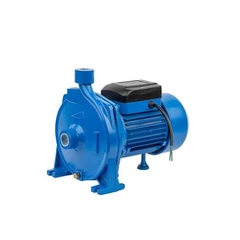

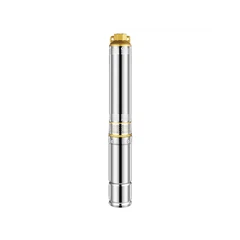


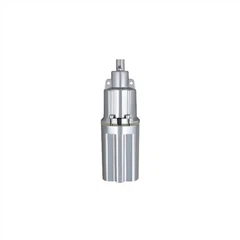

Electric Submersible Pump
Zhejiang Binter Electric Machinery Co., Ltd is one of the major professional manufacturers of water pumps. With more than 20 years of experience in this field, specializing in submersible pumps,self-priming pumps, JET pumps, QB pumps, centrifugal pumps, CIRCULATOR PUMPS ETC, Located in the "Chinese Pump Town"-Daxi Town, Wenling City, Zhejiang.

20+
years of experience
8000m²
Factory area
12mos
Warranty
24h
Online service


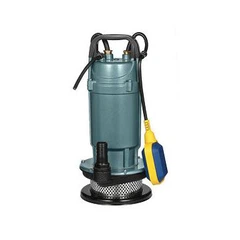
An Electric Submersible Pump (ESP) is a type of pump designed to be submerged in the fluid it is pumping. It consists of a motor and a pump stage assembly. The motor drives the pump, which lifts fluids such as water, oil, or chemicals from a well or reservoir. ESPs are commonly used in various applications, including oil extraction and deep well water pumping.
features of Electric Submersible Pump
Electric Submersible Pumps (ESPs) are specialized devices designed for pumping fluids from wells or other deep locations. Here are some of their key features:
Submersible Design
ESPs are designed to operate while fully submerged in the fluid they are pumping. This allows them to handle deep wells and other applications where the pump needs to be immersed.
01
Multi-Stage Pumping
Many ESPs use a series of impellers (multi-stage configuration) to generate higher pressures. This makes them suitable for deep-well applications where high pressure is needed to lift the fluid to the surface.
02
Electric Motor
The pump is driven by an electric motor located at the top of the pump assembly or integrated within the pump unit. This motor provides the necessary power to drive the impellers.
03
Sealed Assembly
The motor and pump are housed in a sealed assembly to protect them from the fluid and ensure reliable operation. This also helps in preventing contamination of the fluid.
04
Pump Column
ESPs include a column that connects the pump to the surface. This column houses the shaft and transmits the rotational power from the motor to the pump impellers.
05
High Efficiency
ESPs are known for their high efficiency, particularly in applications requiring high flow rates and significant lift. This efficiency helps in reducing energy consumption.
06
Versatility
They can handle a variety of fluids, including water, oil, and corrosive liquids. This makes them suitable for different industries, such as oil and gas, agriculture, and municipal water systems.
07
Durability
ESPs are designed to withstand harsh conditions, including high pressure, corrosive fluids, and varying temperatures. They are built with robust materials to ensure long-term operation.
08
Automated Controls
Modern ESP systems often come with automated control systems that can monitor and adjust operational parameters, such as motor speed and pump performance, to optimize efficiency and protect the system.
09
Variable Speed Drive Compatibility
Some ESPs are compatible with variable speed drives, which allow for adjustable flow rates and pressures based on demand, enhancing operational flexibility and energy efficiency.
10
Common types of Electric Submersible Pump
Centrifugal Submersible Pumps
Single-Stage: Contains one impeller and is typically used for applications where high flow rates and moderate pressure are required.
Multi-Stage: Uses multiple impellers in series to achieve higher pressures, making it suitable for deep wells or applications requiring significant lift.
Progressive Cavity Pumps (PCPs)
Helical Rotor Pumps: Use a helical rotor and stator to move fluids. These are often used in oil extraction and can handle viscous fluids and slurries.
Turbine Pumps
Submersible Turbine Pumps: Feature multiple impellers (or stages) and are designed for high head applications. They are commonly used for deep well water pumping and irrigation.
Vortex Pumps
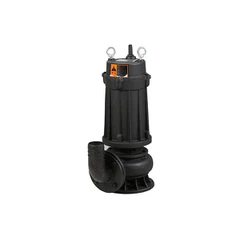
Vortex Submersible Pumps: Utilize a vortex impeller to handle fluids with suspended solids or slurries. They are effective for applications involving dirty or abrasive fluids.
Grinder Pumps
Submersible Grinder Pumps: Equipped with a grinding mechanism to shred solids before pumping, these are used in wastewater and sewage applications to handle materials that would otherwise clog the pump.
Multi-Phase Pumps
Oilfield Multi-Phase Pumps: Designed to handle a mixture of oil, gas, and water in oil and gas extraction operations. They are capable of processing complex fluids that contain multiple phases.
Application of Electric Submersible Pump
Oil and Gas Industry
ESPs are widely used in oil wells to lift crude oil from deep underground reservoirs to the surface. They handle high volumes and pressures and can manage the complex mixtures of oil, gas, and water.
Water Supply and Management
ESPs are used to pump water from deep wells for municipal water supply systems. Their ability to operate at great depths makes them ideal for such applications.
Mining Industry
ESPs are used to remove groundwater from mining operations. They handle high volumes of water mixed with sediment and other particulates, which is crucial for maintaining safe and operational mining conditions.
Industrial Applications
ESPs are used in industrial cooling systems to circulate water or other fluids used for cooling machinery and processes.
Wastewater and Sewage
ESPs are used in sewage lift stations to pump wastewater and sewage from lower to higher elevations, facilitating treatment and disposal.
Construction and Civil Engineering
ESPs are employed to dewater construction sites, especially in areas with high groundwater levels. This helps to keep excavation sites dry and safe for construction activities.
Agricultur
ESPs provide water for flood irrigation systems, ensuring that fields receive adequate water for crop growth.
Environmental Applications
ESPs can be used in environmental remediation projects to pump contaminated groundwater for treatment and cleanup.
Maintenance of Electric Submersible Pump
Regular Inspections: Periodically inspect the pump and its components for signs of wear, corrosion, or damage. Look for leaks, unusual noises, or vibrations.
Monitoring Performance: Regularly check the pump’s flow rate and pressure against its performance specifications. Deviations can indicate issues such as clogging or mechanical wear.
Cleaning: Inspect and clean the discharge line to ensure unobstructed flow and avoid buildup of sediments or deposits.
Checking Seals and Gaskets: Inspect seals and gaskets for leaks or deterioration. Replace them if they show signs of wear or damage to prevent fluid leakage and contamination.
Electrical System Maintenance: Regularly inspect the motor and control panel for any electrical issues. Ensure that circuit breakers, fuses, and control systems are functioning correctly.
Shaft and Impeller Inspection: Ensure that the pump shaft is properly aligned. Misalignment can cause excessive wear and reduce the pump’s efficiency.
Inspect the impellers for wear or damage. Worn or damaged impellers should be replaced to maintain performance.
Handling and Storage: When removing the pump for maintenance, handle it carefully to avoid damaging sensitive components.
If the pump is to be stored for an extended period, ensure it is kept in a dry, clean environment to prevent corrosion or damage.
Our Workshop


FAQ
Q: What is an Electric Submersible Pump (ESP)?
Q: What are the main components of an ESP?
Q: What types of fluids can ESPs handle?
Q: How deep can an ESP pump fluid from a well?
Q: What are the advantages of using an ESP?
Q: What maintenance is required for an ESP?
Q: What are common issues that can occur with ESPs?
Q: How does an ESP differ from a standard centrifugal pump?
Q: Can an ESP be used in corrosive or abrasive environments?
Welcome to buy or wholesale quality and durable electric submersible pump at the most competitive price from our factory. Our company, BINTER ELECTRIC, is one of the leading electric submersible pump manufacturers and suppliers in China. We can offer you the quotation consultation.
Submersible Pump, Clean Water Submersible Feed Pumps , High Quality Submersible Pump , Electric Submersible Water Pump , Electric Submersible Feed Pumps , Electric Submersible Utility Pumps