

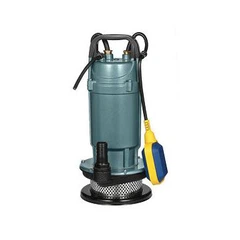
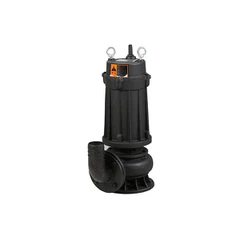
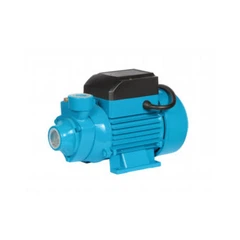
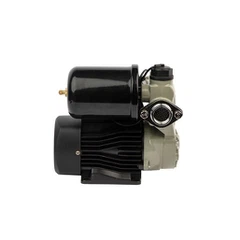
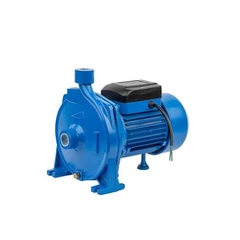

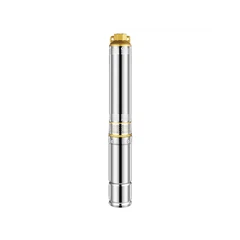


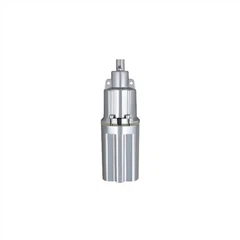

Self-priming Peripheral Pump
Zhejiang Binter Electric Machinery Co., Ltd is one of the major professional manufacturers of water pumps. With more than 20 years of experience in this field, specializing in submersible pumps,self-priming pumps, JET pumps, QB pumps, centrifugal pumps, CIRCULATOR PUMPS ETC, Located in the "Chinese Pump Town"-Daxi Town, Wenling City, Zhejiang.

After-Sale Warranty
We offer a warranty of 12 months, We will always include 2% of the order quantity of free spare parts which can be easily damaged in each shipment, for your usual easy maintenance.
International Certification
Our products meet the highest quality requirements as stipulated in ISO9001, ISO14000:14001 SGS guidelines, CE and our stringent quality control system.
Global Shipping
We have customers from both the domestic market and overseas market. Our main sales market: North America 80%, Middle East 10%, Asia 10%.
24H Online Service
Our customer service representatives are available 24/7 to assist you with any inquiries, or after-sales services.
What is Self-Priming Peripheral Pump?
A self-priming peripheral pump is a type of water pump that is designed to automatically remove air from the suction pipe and pump housing, allowing it to prime itself and operate easily even when there is air in the system. This eliminates the need for manual priming before starting the pump. Self-priming peripheral pumps are often used in applications where the water source may be at a lower level than the pump or where there is a risk of air getting into the system. They are commonly used in small-scale irrigation systems, domestic water supply systems, and other applications where a reliable and efficient pump is needed.


Advantages Of Self-Priming Peripheral Pump
Efficient Performance
Peripheral pumps are designed for high efficiency, ensuring effective water transfer and distribution.This helps in reducing energy costs and promoting sustainability.
Compact Design
These pumps have a compact and lightweight design, making them easy to install and transport.This makes them suitable for use in homes, small businesses, or other areas where space is a constraint.
Self-Priming Capability
Peripheral pumps are self-priming, meaning they can draw water from a lower level without external priming assistance. This is particularly useful in areas with unreliable power supply or frequent interruptions.
Durability
They are built with durable materials such as cast iron or stainless steel. This ensures their long-lasting performance, even under demanding conditions or continuous use.
High Pressure
Peripheral water pumps are designed to generate high pressure, making them suitable for applications that require a strong water flow. They can deliver water at considerable force, making them ideal for tasks such as irrigation or water supply in buildings.
Cost-Effective
Peripheral water pumps are generally more affordable compared to other types of pumps, such as centrifugal or submersible pumps. Their lower cost, combined with their efficiency and durability, makes them a cost-effective choice for many applications.

In essence, peripheral pumps are niche products that sit between displacement pumps and centrifugal pumps. In many applications in the industry, the medium is pumped in a peripheral channel, which is why we call it that. This pump works as a volume displacer by sucking the liquid through the suction flange. The liquid is then directed into an annular channel. A peripheral impeller rotates within this channel, centrifugally transforming the liquid. Peripheral impellers are special impellers that have a large number of small radial vanes arranged around their perimeter. The blades in the impeller impart great kinetic energy onto the liquid as it exits the pump via the discharge flange after passing through the annular channel.
Components Of Self-Priming Peripheral Pump
Motor
The motor is the source of power for a peripheral pump. This motor is powered by electricity in which it operates by converting the electrical energy into mechanical power. The electrical energy is supplied by the mains electricity line. The mechanical power is provided in terms of torque and speed depicted on the motor shaft.
Impeller
This is the part of the pump that rotates at high speed to create a vacuum in the pump. This vacuum is meant to force fluid from its source into the pump. Peripheral pump manufacturers design the impeller with radial vanes. Such vanes are used to rotate the fluid as it enters the pump.
Casing
This is the pump housing meant to seal off the atmosphere to the pump interior and prevent fluid leakage. The casing is designed to allow fluid to rotate between it and the impeller as the fluid kinetic energy is converted to pressure energy. This high-pressure energy is used to move the fluid to the required destination. Peripheral pump manufacturers produce the casing from high strength materials like stainless steel or cast iron to ensure it can withstand high fluid pressure.
Suction Pipe and Valve
The suction pipe is used to connect the pump inlet port to the source of the liquid like a tank. This is the pipe that is used to convey the liquid from its source into the pump when the impeller starts rotating. The suction valve is used to regulate the amount of fluid that flows into the pump. Peripheral pump manufacturers also design this valve with a strainer to help filter out any foreign materials from getting into the pump and causing a blockage.
Discharge Pipe and Valve
The discharge pipe connects the pump to the pipe network. The valve is used to regulate the fluid flowing from the pump to the pipeline.
Application of Self-Priming Peripheral Pump

Residential Applications
Peripheral water pumps find extensive use in residential applications, such as water supply for domestic use, boosting water pressure in homes, apartments, and small buildings. They are commonly used for tasks like supplying water to faucets and showers, as well as for irrigation purposes in gardens and lawns.

Agricultural Applications
Peripheral pumps are well-suited for various agricultural activities, including irrigation systems, sprinkler systems, and livestock watering. These pumps efficiently transfer water from wells, rivers, or other water sources to agricultural fields, ensuring proper irrigation and improving crop yield.

Industrial Applications
Peripheral water pumps play a vital role in many industrial processes. They are used in cooling systems, HVAC systems, and water circulation systems in manufacturing plants, factories, and commercial buildings. These pumps provide a reliable and continuous flow of water, ensuring efficient operation and preventing overheating.

Construction and Mining Applications
Peripheral pumps are commonly employed in construction sites and mining operations. They are used for dewatering purposes, removing excess water from excavations, trenches, and basements. These pumps help maintain a dry working environment, facilitating construction and mining activities.

Aquaculture Applications
Peripheral pumps are utilized in aquaculture systems for circulating water and maintaining proper oxygen levels. They help in creating a healthy environment for fish or other aquatic organisms.

Municipal Applications
Peripheral pumps are essential in municipal water supply systems, especially in areas with low water pressure. They are used to boost water pressure in distribution networks, ensuring consistent water supply to households, commercial establishments, and public buildings.
Precautions For Use Self-Priming Peripheral Pumps
Proper Installation
Follow the manufacturer's guidelines for installation, including proper alignment, mounting, and connection of pipes and fittings. Ensure that the pump is securely anchored and properly supported to prevent vibrations and misalignment.
Fluid Compatibility
Verify that the pump is compatible with the fluid being pumped. Some fluids may be corrosive or abrasive, which can affect the performance and lifespan of the pump. Consult the pump manufacturer's specifications to ensure proper material selection for the pump components.
Correct Priming
If the peripheral pump requires priming, make sure to follow the priming instructions provided by the manufacturer. Improper priming can result in reduced performance or damage to the pump.
Avoid Dry Running
Peripheral pumps should never operate without an adequate supply of fluid. Dry running can cause excessive heat generation and damage the impeller, leading to pump failure. Ensure a continuous supply of fluid to the pump before starting it.
Regular Maintenance
Adhere to the recommended maintenance schedule specified by the manufacturer. Regularly inspect the pump for signs of wear, leakage, or damage. Clean or replace any clogged filters or strainers to maintain optimal pump performance.
Protection against Cavitation
Cavitation occurs when the pressure at the inlet of the pump drops too low, resulting in the formation of vapor bubbles that collapse violently, causing damage to the impeller and other pump components. To prevent cavitation, ensure proper inlet conditions, such as adequate net positive suction head (NPSH) and avoidance of excessive suction lift.
Overload Protection
Install appropriate overload protection mechanisms such as thermal overload relays or motor protection switches to safeguard against excessive current draw, motor overheating, and potential damage to the pump.
Electrical Safety
Ensure that the electrical connections and wiring comply with local electrical codes. Use proper grounding techniques and avoid exposing the pump or electrical components to moisture or hazardous conditions.
FAQ
Q: What applications are self-priming peripheral pumps commonly used in?
Q: Can a self-priming peripheral pump handle solids or abrasive fluids?
Q: How do you install a self-priming peripheral pump?
Q: Are self-priming peripheral pumps energy-efficient?
Q: How often should a self-priming peripheral pump be inspected and maintained?
Q: Can a self-priming peripheral pump be used for continuous duty applications?
Q: What is the maximum flow rate that a self-priming peripheral pump can handle?
Q: Can a self-priming peripheral pump be used for high-pressure applications?
Q: How do you troubleshoot common issues with a self-priming peripheral pump?
Q: What type of maintenance is required for a self-priming peripheral pump?
Q: Can a self-priming peripheral pump run dry?
Q: Are self-priming peripheral pumps suitable for use with corrosive fluids?
Q: How do you determine the correct size of a self-priming peripheral pump for your application?
Q: Can a self-priming peripheral pump be used for hot fluids?
Q: What is the typical lifespan of a self-priming peripheral pump?
Q: Can a self-priming peripheral pump be used for potable water applications?
Q: How do you determine the best location for installing a self-priming peripheral pump?
Q: Are self-priming peripheral pumps easy to repair?
Q: Can a self-priming peripheral pump be used for chemical transfer applications?
Q: What safety precautions should be taken when operating a self-priming peripheral pump?
Q: Can a self-priming peripheral pump be used for wastewater applications?
Welcome to buy or wholesale quality and durable self-priming peripheral pump at the most competitive price from our factory. Our company, BINTER ELECTRIC, is one of the leading self-priming peripheral pump manufacturers and suppliers in China. We can offer you the quotation consultation.
Hot and Cold Water Circulation Pump, Smart Self priming Vortex Pump, Vertical Deep Well Submersible Pump , Self-priming Vortex Pump , Self-priming Water Pump