

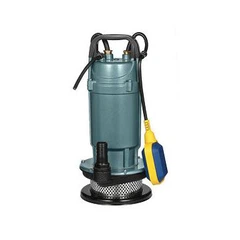
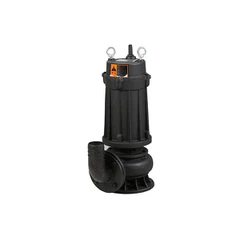
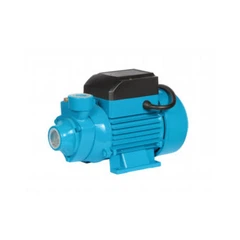
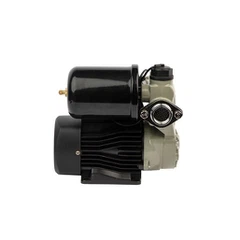
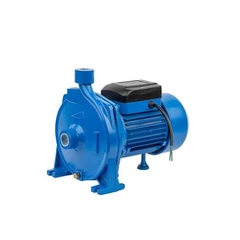

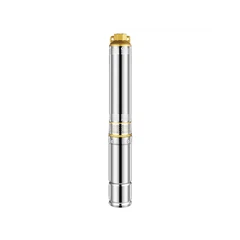


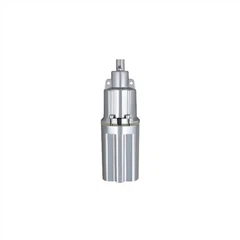

Hot Water Circulating Pump
A hot water circulating pump is a specialized pump designed to maintain the flow of hot water in a plumbing system, ensuring that hot water is readily available at taps and fixtures without long wait times. It works by continuously circulating hot water from the water heater through the plumbing system and back, minimizing water wastage and improving comfort. These pumps are often used in residential settings, especially in larger homes or systems with long pipe runs.


advantages of Hot Water Circulating Pump
Immediate Hot Water
They provide instant access to hot water at faucets and fixtures, reducing the time spent waiting for hot water to arrive.
Water Conservation
By minimizing the wait time for hot water, these pumps help reduce water waste, which is beneficial for both the environment and your water bill.
Energy Efficiency
Many modern hot water circulating pumps are designed to operate efficiently, potentially lowering energy costs compared to traditional systems.
Comfort
They enhance comfort by ensuring that hot water is consistently available throughout the home, especially in larger or multi-story buildings.
Versatility
These pumps can be used in various applications, including residential homes, commercial buildings, and heating systems.
Easy Installation
Many hot water circulating pumps can be installed without extensive modifications to existing plumbing systems, making them accessible for retrofitting.
Temperature Maintenance
They help maintain a consistent water temperature throughout the plumbing system, reducing fluctuations in hot water supply.
Enhanced System Performance
By promoting better circulation in the plumbing system, they can improve overall system efficiency and performance.
Programmable Options
Some models come with timers or smart controls, allowing homeowners to set schedules for when the pump operates, further enhancing energy savings.
Common types of Hot Water Circulating Pump
Recirculating Pump: This is the most common type, designed to circulate hot water from the water heater through the plumbing system and back, ensuring immediate access at fixtures.
On-Demand Pump: This type operates only when needed, often activated by a switch or motion sensor, helping to save energy by not running continuously.
Timer-Controlled Pump: These pumps operate on a set schedule, allowing homeowners to program when they want hot water to be available, which can optimize energy use.
Smart Pumps: Equipped with advanced technology, smart pumps can learn usage patterns and adjust operation accordingly, maximizing efficiency and convenience.
Thermostatic Pump: These pumps automatically adjust flow based on water temperature, ensuring that hot water is circulated only when needed.
Domestic Hot Water Recirculation System: This is a complete system that includes a pump, plumbing, and controls specifically designed for recirculating hot water in a home.
Variable Speed Pump: These pumps adjust their speed based on demand, providing efficiency and energy savings by reducing unnecessary operation.
Application of Hot Water Circulating Pump
● Residential Hot Water Systems: They are commonly installed in homes to provide instant hot water at faucets and fixtures, improving convenience and reducing water waste.
● Commercial Buildings: In larger facilities like hotels, restaurants, and office buildings, these pumps ensure a consistent supply of hot water throughout the premises.
● Hydronic Heating Systems: Used in systems that distribute heated water through radiators or underfloor heating, helping to maintain comfortable indoor temperatures.
● Boiler Systems: They can circulate hot water in boiler systems, enhancing efficiency and ensuring that hot water is readily available when needed.
● Pool and Spa Heating: In swimming pools and spas, hot water circulating pumps help maintain desired temperatures and ensure consistent water flow.
● Industrial Processes: Used in various industrial applications where hot water is required for processes, cleaning, or heating.
● Retrofit Applications: They can be added to existing plumbing systems to improve hot water delivery without extensive renovations.
● Solar Water Heating Systems: In solar thermal systems, circulating pumps help move heated water from collectors to storage tanks or fixtures.
● Recirculating Water Heaters: These pumps can be part of a system that includes a water heater specifically designed for recirculation, enhancing overall efficiency.
● In Floor Heating: Used in systems that heat flooring materials by circulating hot water through pipes beneath the floor surface, providing radiant heating.

● Pump Body: The housing that contains the internal components and directs the flow of water.
● Impeller: A rotating component that moves water through the pump by converting rotational energy into kinetic energy.
● Motor: Powers the impeller; can be a standard electric motor or a variable speed motor, depending on the pump type.
● Suction and Discharge Ports: Inlet and outlet openings where water enters and exits the pump.
● Check Valve: Prevents backflow of water, ensuring that hot water remains in the system when the pump is not operating.
● Thermal Bypass Valve: Allows for temperature regulation by diverting excess hot water back to the heater when the desired temperature is reached.
● Mounting Bracket: Provides support and stability for the pump during installation.
● Control Switch/Timer: Used to activate or deactivate the pump, allowing for programmable or on-demand operation.
● Pressure Relief Valve: Protects the system from excessive pressure by allowing water to escape if needed.
● Seal and Gaskets: Prevent leaks by sealing the connections between various components.
Maintenance of Hot Water Circulating Pump
Regular Inspection
Check for leaks, unusual noises, or vibrations. Inspect the pump casing and connections for any signs of wear or damage.
Clean Filters
If the pump has a filter or strainer, clean or replace it periodically to prevent clogs and ensure smooth operation.
Check Seals and Gaskets
Inspect seals and gaskets for wear. Replace them if you notice any leaks to maintain system integrity.
Lubrication
If applicable, lubricate bearings and moving parts according to the manufacturer’s recommendations to reduce friction and wear.
Inspect Electrical Connections
Check wiring and electrical connections for signs of wear or corrosion, ensuring a safe and reliable power supply.
Review System Pressure
Monitor system pressure to ensure it remains within recommended levels. Adjust if needed to prevent strain on the pump.
FAQ
Q: What is a hot water circulating pump?
Q: How does a hot water circulating pump work?
Q: What are the benefits of using a hot water circulating pump?
Q: Can I install a hot water circulating pump in my existing system?
Q: What maintenance is required for a hot water circulating pump?
Q: Can a hot water circulating pump be noisy?
Q: What if my hot water circulating pump loses prime?
Q: Are there any safety considerations with hot water circulating pumps?
Welcome to buy or wholesale quality and durable hot water circulating pump at the most competitive price from our factory. Our company, BINTER ELECTRIC, is one of the leading hot water circulating pump manufacturers and suppliers in China. We can offer you the quotation consultation.
High Efficient Hot Water Shielding Pump, No Leakage Hot Water Shielding Pump, Hot Water Circulating Pump for Domestic Use , Hot Water Circulator Pump