
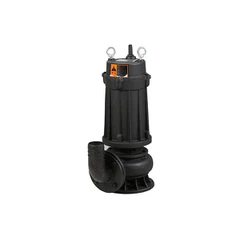
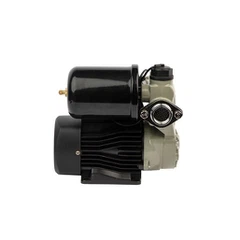
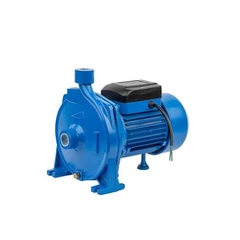

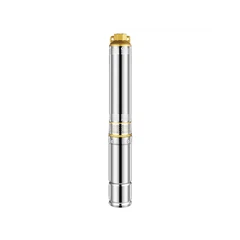


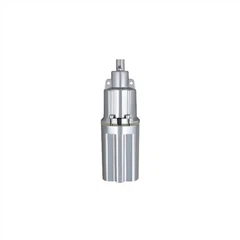

Cutting Sewage Pump

We are always at your service when you need
Zhejiang Binter Electric Machinery Co., Ltd is one of the major professional manufacturers of water pumps. With more than 20 years of experience in this field, specializing in submersible pumps,self-priming pumps, JET pumps, QB pumps, centrifugal pumps, CIRCULATOR PUMPS ETC, Located in the "Chinese Pump Town"-Daxi Town, Wenling City, Zhejiang.
years of experience
Factory area
Warranty
Online service


what is Cutting Sewage Pump
A cutting sewage pump, also known as a grinder pump, is a type of pump designed to handle sewage and wastewater that contains solids or debris. Unlike standard sewage pumps, which might struggle with larger objects, a cutting sewage pump is equipped with a cutting mechanism—usually a set of blades or a rotating cutter—that shreds solid waste into smaller particles.
What components does a cutting sewage pump consist of?
A cutting sewage pump, or grinder pump, typically consists of several key components:
Motor
Powers the pump and the cutting mechanism. It's usually an electric motor that can be either single-phase or three-phase, depending on the pump's design and application.
Impeller
The impeller is the part of the pump that moves the water and sewage. In a grinder pump, it also works in conjunction with the cutting mechanism to move the waste efficiently.
Cutting Mechanism
This includes blades or a rotating cutter that shreds solid waste into smaller pieces. This component is crucial for breaking down solids to prevent clogs and blockages in the plumbing system.
Pump Housing
The casing or housing encloses the impeller and cutting mechanism. It's designed to withstand the harsh conditions of sewage and provide a sealed environment to prevent leaks.
Discharge Outlet
The point where the processed sewage is expelled from the pump and into the sewage system or onward to a treatment facility.
Check Valve
Often included to prevent backflow of sewage into the pump once it has been discharged.
Float Switch
A device that monitors the level of sewage in the sump or basin and activates or deactivates the pump as needed to maintain proper levels.
Seal Assembly
Ensures that the pump is watertight and prevents leakage of sewage or water. This often includes mechanical seals and gaskets.
Bearings
Support the rotating parts of the pump and reduce friction to ensure smooth operation.
advantages of Cutting Sewage Pump
The cutting mechanism shreds solid waste into smaller particles, which prevents clogs and blockages in the plumbing system. This allows for smooth transportation of sewage through pipes and reduces maintenance issues.
Grinder pumps can handle a variety of waste materials, including items that might be difficult for standard sewage pumps, such as food scraps, paper, and other non-flushable items.
By cutting waste into smaller pieces, these pumps significantly reduce the risk of clogs in both the pump itself and the downstream plumbing and sewage lines.
They are capable of pumping sewage over long distances and up higher elevations, making them suitable for residential or commercial applications where the sewage needs to be transported over considerable distances.
The ability to handle solid waste effectively means that the entire sewage system operates more efficiently, with fewer disruptions and less need for manual intervention.
The robust construction and cutting mechanisms are designed to withstand the abrasive nature of sewage and solid waste, which can contribute to a longer operational life for the pump.
Application of Cutting Sewage Pump
Residential Systems
Basement and Low-lying Areas: In homes with basements or lower levels where gravity drainage is not feasible, grinder pumps can lift sewage to the main sewer line.
Remote or Rural Homes: In areas without access to municipal sewage systems, grinder pumps can be used to pump waste to a central collection point or a septic system.
Commercial Buildings
Restaurants and Food Processing Facilities: These establishments often generate a large amount of solid waste, which grinder pumps can handle efficiently.
Hotels and Resorts: Facilities with multiple bathrooms and amenities may use grinder pumps to manage large volumes of sewage.
Municipal Systems
Sewage Lift Stations: Grinder pumps are used in lift stations to manage and transport sewage from lower-lying areas to treatment facilities or higher elevation points in the sewer system.
Small Community Sewer Systems: In small or new developments where gravity-based systems are impractical, grinder pumps can be used to manage and transport wastewater.
Industrial Applications
Manufacturing Plants: Facilities that produce wastewater with solid waste can use grinder pumps to manage and process the waste efficiently.
Construction Sites: Temporary grinder pumps may be used to handle wastewater on construction sites where standard sewage systems are not yet installed.
Wastewater Treatment Facilities
Pre-Treatment: Grinder pumps can be used as part of the pre-treatment process to reduce the size of solids before the wastewater enters the main treatment facility.
Material of Cutting Sewage Pump

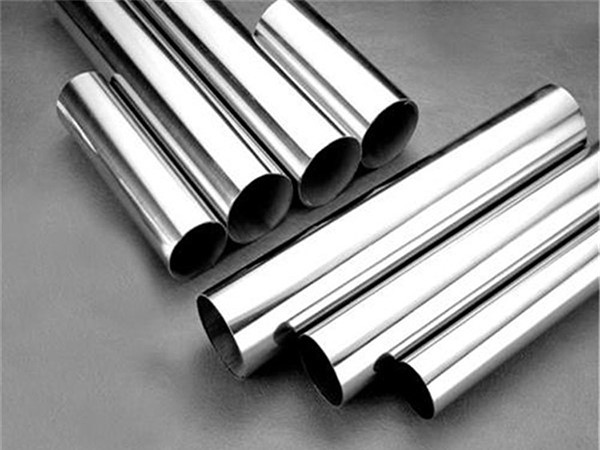


Cast Iron: Often used for the pump housing and impeller, cast iron provides strength and durability. It is also relatively resistant to wear and impact.
Stainless Steel: This is commonly used for components that are in contact with the sewage, such as the cutting blades and other internal parts. Stainless steel offers excellent resistance to corrosion and abrasion.
Bronze: Sometimes used for certain internal components due to its resistance to corrosion and wear.
Thermoplastic Materials: High-density polyethylene (HDPE) or other robust thermoplastics may be used for some pump components, especially in environments where corrosion is a major concern.
Ceramic Coatings: Some pumps use ceramic coatings on parts that experience the most wear, such as the impeller, to increase their lifespan and performance.
Our Workshop


FAQ
Q: What is a cutting sewage pump?
Q: How does a cutting sewage pump work?
Q: What types of materials can a cutting sewage pump handle?
Q: What is the lifespan of a cutting sewage pump?
Q: How often should a cutting sewage pump be maintained?
Q: What are common issues with cutting sewage pumps?
Q: Can a cutting sewage pump be used for residential applications?
Q: How do you install a cutting sewage pump?
Q: What is the difference between a cutting sewage pump and a regular sewage pump?
Welcome to buy or wholesale quality and durable cutting sewage pump at the most competitive price from our factory. Our company, BINTER ELECTRIC, is one of the leading cutting sewage pump manufacturers and suppliers in China. We can offer you the quotation consultation.
High Efficiency Submersible Sewage Pump, 2 Inch Stainless Steel Sewage Water Pump, 0 75kw Sewage Submersible Pump , Cutting Dirty Water Submersible Pump , Electric Sewage Submersible Pump Manufacturer