
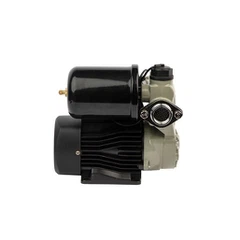
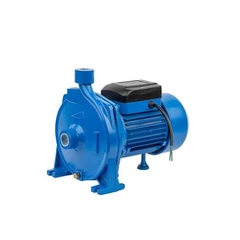

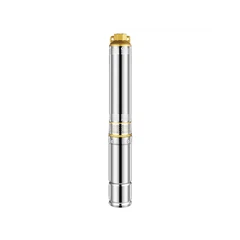


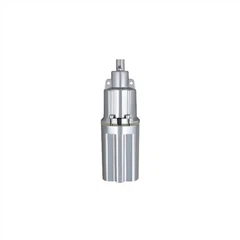

Submersible Pump
Zhejiang Binter Electric Machinery Co., Ltd is one of the major professional manufacturers of water pumps. With more than 20 years of experience in this field, specializing in submersible pumps,self-priming pumps, JET pumps, QB pumps, centrifugal pumps, CIRCULATOR PUMPS ETC, Located in the "Chinese Pump Town"-Daxi Town, Wenling City, Zhejiang.

01
After-Sale Warranty
We offer a warranty of 12 months, We will always include 2% of the order quantity of free spare parts which can be easily damaged in each shipment, for your usual easy maintenance.
02
International Certification
Our products meet the highest quality requirements as stipulated in ISO9001, ISO14000:14001 SGS guidelines, CE and our stringent quality control system.
03
Global Shipping
We have customers from both the domestic market and overseas market. Our main sales market: North America 80%, Middle East 10%, Asia 10%.
04
24H Online Service
Our customer service representatives are available 24/7 to assist you with any inquiries, or after-sales services.

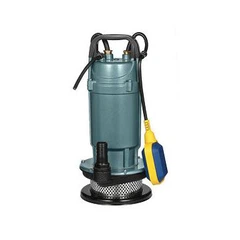
A submersible pump is a device which is designed to be completely submerged underwater, typically in a well, cistern, or other water storage container. It is used to pump water from one place to another, such as pumping water out of a flooded basement or from a well to supply water to a home. The pump is typically powered by electricity and is designed to operate underwater without damaging its electrical components. Submersible pumps are often preferred for their quiet operation, high efficiency, and durability.


Benefits of Submersible Pump
Safe
All internal components of a submersible pump stay completely sealed from the water or other foreign elements. Hence, it is safer to use a submersible pump in comparison to other types of pumping devices. These devices are coated to prevent corrosion resulting from staying submerged.
Portable
Submersible pumps are lightweight pumping machines with a compact structure. Hence, it can be carried by one person to different places based upon a user’s requirements or pumping requirements.
Priming
There is no need to prime a submersible pump since it functions below the level of the liquid that is being pumped out. Therefore, a submersible pump can be easily used and maintained.
Leak Proof
A submersible pump is fitted with watertight seals and gaskets. This type of sealed structure prevents the leakage of fluid from the submersible pump. The internal components of the pump remain completely sealed which eliminates any possibility of electrical accident.
High Efficient
As compared to surface pumps, submersible pumps are user-friendly. These pumps can detect the water level and avoid backflow.
Low Noise
Surface pumps often cause a considerable amount of noise. However, being underwater, the sound of Submersible pumps softens, creating low noise, barely audible.
Resistant to Corrosion
The materials used for the manufacturing of a submersible pump are capable of resisting corrosion. The hermetic sealing of the pump also prevents exposure to corrosive material or oxidation.
Convenient Placement
The convenient placement of a submersible pump increases its efficiency since it remains submerged in water. Therefore, this type of pumping device can quickly and efficiently transfer the fluid.
The main feature of this type of pump is that it prevents pump cavitation, a problem associated with a high elevation difference between the pump and the fluid surface. The pump shaft is connected to the gas separator or the protector by a mechanical coupling at the bottom of the pump. Fluids enter the pump through an intake screen and are lifted by the pump stages.

Types of Submersible Pumps
Borewell Submersible Pumps
Borewell submersible pumps are designed to extract water from deep borewells. Stainless Steel Borewell Submersible Pumps are highly efficient and suitable for use in domestic, agricultural, and industrial applications.
Oil-filled Submersible Pumps
These pumps feature an oil-filled submersible pump motor type, providing excellent cooling and lubrication for the motor. They are ideal for continuous operation in demanding environments.
Water-filled Submersible Pumps
In contrast to oil-filled pumps, water-filled submersible pumps use water to cool and lubricate the motor. Water-filled Submersible Pumps are specially designed thrust bearings that guarantee the utmost reliability, ensuring optimal performance and extended service life for the pump.
Stainless Steel Submersible Pumps
Stainless steel submersible pumps are known for their corrosion-resistant properties, making them suitable for use in harsh environments and with aggressive fluids.
Horizontal Openwell Submersible Pumps
These pumps are designed for use in open wells, sumps, and tanks. Their horizontal orientation allows for easy installation and maintenance. Check out this buying guide to help you choose the right domestic water pump.
Deep Well Submersible Pumps
Deep well submersible pumps are specifically designed for pumping water from deep wells, offering high efficiency and reliability even at great depths.
Openwell Submersible Pumps
Openwell submersible pumps are versatile and can be used in open wells, sumps, and tanks. They are easy to install and maintain, thanks to their submersible type pump design.
Dry-Type Openwell Submersible Pumps
Dry-type open-well submersible pumps feature a unique design that allows the motor to operate without being submerged in water. This makes them suitable for applications where the water level fluctuates frequently.
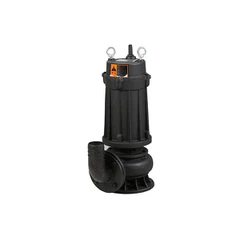
Sewage Submersible Water Pump
Sewage submersible water pumps are designed to handle wastewater and sewage. They are equipped with a special submersible pump motor type that can handle solid particles and prevent clogging, making them ideal for use in septic systems and sewage treatment plants.
Submersible Pump: 6 Important Parts And How To Maintain Them
Motor
The motor is the core of a submersible pump. The motor is ordinarily hermetically sealed and oil-filled to prevent water from entering and harming the motor. To guarantee optimal performance, routinely examine the motor for any symptoms of damage or wear. Keep the motor clean and free from debris to prevent overheating.
Impeller
The impeller is responsible for providing the requisite pressure to circulate water through the pump. It consists of curved blades that spin swiftly, generating centrifugal force. The impeller might be broken or clogged, which can impair its efficacy. To maintain the impeller, it should be routinely inspected for any obstructions or damage.
Discharge Pipe
The discharge pipe is an integral component of a submersible pump that delivers water from the pump to the location of usage. It is ordinarily composed of PVC or polyethylene and is available in varying diameters and lengths. To maintain the discharge conduit, it should be frequently inspected for any symptoms of corrosion or damage.
Control Panel
The control panel allows you to start, halt, and control the functioning of the submersible pump. Familiarize yourself with the control panel’s functions and indications. Regularly inspect the control panel for any loose connections or damaged components. Keep everything spotless and dry to prevent electrical difficulties.
Check Valve
The check valve is a one-way valve that prevents water from flowing back into the pump when it is switched off. Inspect the check valve often to ensure it is functioning effectively. Clean or replace it if it becomes obstructed or damaged.
Easy Tie Adapters
Easy tie adapters are used to attach the pump’s power cables and discharge pipe. Ensure that the simple tie adapters are firmly attached to prevent any unsecured connections. Regularly examine the adapters for any indications of wear or damage. Replace them as necessary to maintain a secure and reliable connection.
Submersible Pump Uses
Irrigation
In many cases, submersible pumps are responsible for providing crops with water. Submersible pumps are critical to the long-term health of our food supply. With the task of moving large amounts of water from one location to another, submersible pumps have an extremely challenging and important job to do.
Pumping From Wells and Borewells
Does your well or borehole provide enough water for your household? A method of transferring water from the well or borehole into storage tanks will be necessary when you’re done. When it comes to this job, submersible pumps are the best choice. Pumping water from great depths doesn’t strain their efficiency because they don’t use a lot of power.
Construction and Building
Most construction sites require water pumps to remove wastewater, which is typically a little flow that can be handled by a single-phase pump of up to 1.5kW and a head of up to 21 meters. Contractor pumps are characterized by their sturdy construction, adaptability to site conditions, and ability to move viscous liquids.
Industrial Application
Portable, lightweight, and easy-to-handle submersible pumps are ideal for use in firefighting. Shafting and submersible pumps can be a lifesaver when dealing with deep and crooked wells. Draining water from flooded areas is easy with submersible pumps.
Oil Extraction
Submersible pumps operate in much the same way regardless of the fluid they pump. Because they can work against gravity, submersible pumps appeal to the oil industry in the same way that wastewater pumps do, even with minor alterations to account for viscosity differences.
Drainage of unwanted bodies of water
Does your property have a pond or other body of water that you want to remove? Submersible pumps can be used to remove unwanted water from your property. They can also be used to remove water from flooded basements and other areas.
Preventive Maintenance of the Submersible Pumps
When using submersible pumps, you must adopt the right preventive measures to ensure longevity and better service quality. The most common preventive measures that you should adopt are as follows:

Pump lubrication
Lubrication reduces friction and reduces the chances of wear and tear. It is important to keep the pumps properly lubricated; for the same, you can follow the guidelines provided by the manufacturer. Also, one should ensure no over-greasing as it can damage the parts.
Checking for overheating
Even though the pump is submerged under the fluid body, it is necessary to often check if it is overheated. Overheating can be caused when the pump is not properly working or even when there is more pressure on the pump due to conditions like lack of water in the well for pumping.
Motor inspection
Checking the working condition of the motor is crucial. Servicing the motor from time to time increases the efficiency and working of the pump. Also, a regular inspection will ensure that any damaged part is replaced on time that might cause issues in the future.
Seal and hose replacements
As the seals get eroded over time, it is advised to change them regularly. Cleaning or replacing the hoses is also important as the deposit in the inner lining can cause corrosion or hassle with the normal working of the pump.
Check for noise
Another important checkpoint is the noise of the pump. Stop operating the motor as soon as you hear a noise, and schedule a pump repair service immediately. If the pump is making noise, there may not be enough liquid in the tank, or a component may be clogged or ineffective.
Regular professional checks
The daily, weekly, monthly, and yearly protocols are to be strictly followed to have a well-functioning pump. Giving the professional care that the submersible pump deserves would save money, power, stress, and the machine itself.

FAQ
Q: How does a submersible pump work?
Q: What are the advantages of using a submersible pump?
Q: What are the different types of submersible pumps available?
Q: What are the typical applications for submersible pumps?
Q: How deep can a submersible pump operate?
Q: Are submersible pumps energy-efficient?
Q: How do you install a submersible pump?
Q: Can a submersible pump be used in saltwater applications?
Q: What is the lifespan of a submersible pump?
Q: How do you troubleshoot common issues with a submersible pump?
Q: Can a submersible pump run dry?
Q: Are submersible pumps suitable for continuous operation?
Q: Can a submersible pump handle solids?
Q: What safety precautions should be taken when working with submersible pumps?
Q: How do you determine the correct size of a submersible pump for a specific application?
Q: Can a submersible pump be used in a pond or fountain?
Q: What maintenance tasks should be performed on a submersible pump?
Q: Are submersible pumps suitable for high-temperature fluids?
Q: Can a submersible pump be used for firefighting purposes?
Q: How do you prevent submersible pump corrosion in corrosive environments?
Welcome to buy or wholesale quality and durable submersible pump at the most competitive price from our factory. Our company, BINTER ELECTRIC, is one of the leading submersible pump manufacturers and suppliers in China. We can offer you the quotation consultation.
, Submersible Water Pump , Submersible Feed Pumps , Submersible Utility Pumps