

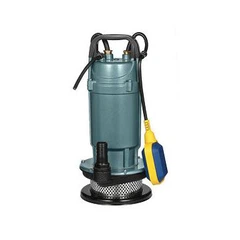
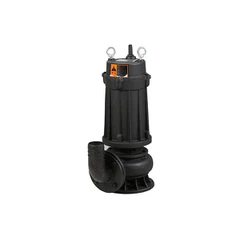
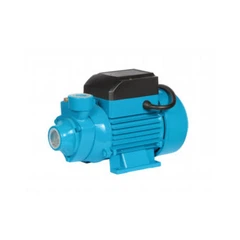
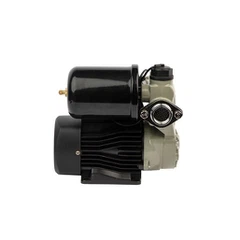
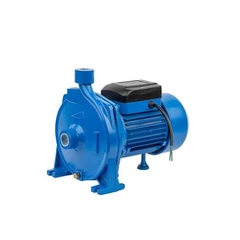

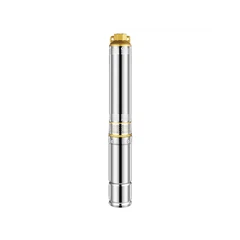


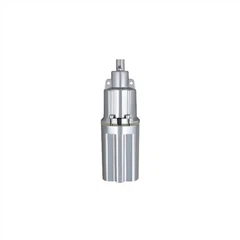

Sewage pumps and submersible pumps are among the most commonly used equipment in sewage treatment, building drainage, agricultural irrigation and industrial applications. However, different working conditions (such as water quality, flow, head, installation environment, etc.) have very different requirements for pump performance. Choosing the wrong model may lead to inefficiency, frequent failures and even equipment damage.
1. Sewage pump vs submersible pump: core differences and applicable scenarios
| Comparison items | Sewage pumps | Submersible pump |
| Installation method | Dry installation (ground or semi-submersible) | Completely immersed in liquid for operation |
| Applicable media | Contains solid particles (fibers, sludge, etc.) | Clear water, mild sewage (small amount of impurities) |
| Typical applications | Wastewater treatment plants, building drainage | Deep well pumping, reservoir drainage, irrigation |
| Maintenance convenience | Easy to repair (no disassembly required) | Requires lifting and maintenance |
| Price | Low | Higher (more stringent sealing requirements) |
Selection suggestions:
Contains a lot of solid impurities (such as municipal sewage) → Choose a sewage pump (with cutting function)
Deep well pumping or clean water transportation → Choose a submersible pump
Corrosive liquid (chemical wastewater) → Choose a corrosion-resistant material pump (such as 316 stainless steel)


2. The influence of water quality characteristics on the selection
| Water quality type | Recommended pump type | Key considerations |
| Contains fiber/debris | Sewage pump with cutting function | Check the material of the cutting blade (carbide is more durable) |
| High sand content | Wear-resistant cast iron or duplex stainless steel pump | Avoid using ordinary stainless steel (easy to wear) |
| Corrosive liquid | Plastic pump (PP/PVDF) or 316 stainless steel | Confirm the acid and alkali resistance level |
| High temperature wastewater (>60℃) | High temperature resistant seal (fluoro rubber/graphite) | Ordinary rubber seals are prone to aging and failure |
3. Installation method selection
● Sewage pump installation plan
Dry installation: suitable for water collection wells and basement drainage, anti-clogging design is required.
Automatic coupling: convenient for quick installation and maintenance (common in large sewage treatment plants).
● Submersible pump installation plan
Deep well installation: requires matching well diameter (such as a 4-inch pump for a 6-inch well).
Floating installation: suitable for pumping water from reservoirs or ponds, automatically rising and falling with the water level.
4.Solutions for special working conditions
● High viscosity liquid (such as sludge): Choose a screw pump or vortex pump with a large flow channel design to avoid cavitation of the centrifugal pump.
● Variable frequency control requirements: Select a variable frequency motor to adapt to flow changes (such as peak drainage hours in buildings).
● Explosion-proof environment (petroleum/chemical industry): Must choose an explosion-proof certified pump (such as Ex d IIC T4 grade).
What are your specific working conditions? Welcome to leave a message and we will provide customized selection suggestions!


